A week of deadly earthquakes hit five regions, but experts say only Venezuela’s twin quakes were linked while the rest were separate shocks, not a global chain reaction.
Story Snapshot
- Two massive Venezuelan quakes struck 39 seconds apart in a confirmed doublet
- Seismologists say Japan, Afghanistan, the Philippines, and California events were unrelated
- Global clusters of large quakes in short windows are expected, not evidence of a trigger
- Preparedness and strong building codes, not panic, save lives and protect communities
Venezuela’s Rare Doublet: What Happened in Those 39 Seconds
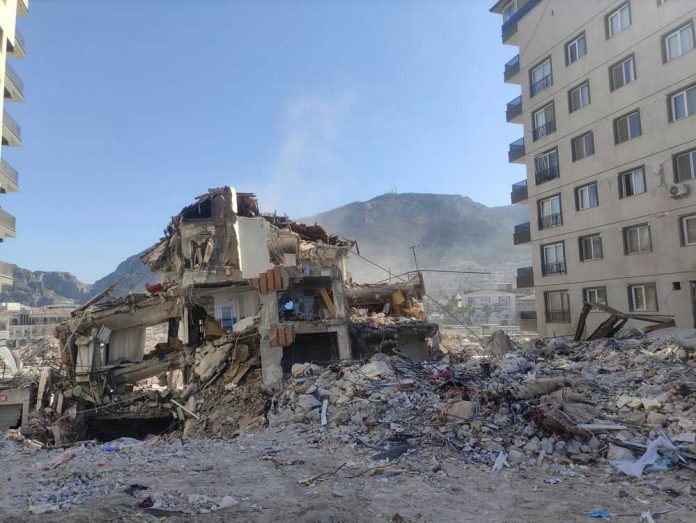
The United States Geological Survey reported a magnitude 7.2 foreshock in northern Venezuela followed 39 seconds later by a magnitude 7.5 mainshock. The agency classified the pair as an earthquake doublet, meaning two large events on the same fault in quick order with linked rupture behavior. Reports from international outlets and relief groups described major damage, injuries, and a national emergency as officials counted the dead and worked to reach isolated areas.
The doublet struck along Venezuela’s northern plate boundary, where the Caribbean and South American plates slide past each other. That zone hosts strike-slip faults capable of strong shaking. The 7.2 event likely changed stress on nearby sections, helping the 7.5 rupture break loose seconds later, as the United States Geological Survey summary described a complex interaction process. That physical tie is clear. The science is strong here and explains why shake intensity climbed so fast in central and northwestern regions.
Global Flurry, Local Causes: Why Other Quakes Are Not Connected
Japan, Afghanistan, the Philippines, and California all recorded strong earthquakes during the same week. Many people asked if one set off the others. Seismology groups and long records say no. Earthquakes strike most often along plate edges and known faults. Big shocks can cluster in time without sharing a cause because the Earth has many active zones moving at once. The United States Geological Survey says patterns repeat over time without global triggers.
Historical catalogs show dozens of magnitude 7 or larger earthquakes every year across the planet. Some occur within days of each other in different regions. That timing can look like a chain, but it is expected math across many faults, not proof of a single driver. Education resources on earthquake distribution explain that where plates meet, strain builds and releases again and again. That is why a busy week can happen without any link between distant systems.
Sorting Fact From Fear: What Viewers Saw Online
News clips and social videos pushed viral headlines asking if the world was in a “global rupture cascade.” That phrase sells clicks but ignores hard data. The only verified link in this run was the Venezuelan doublet on the same fault within under a minute, identified by the United States Geological Survey event page. Claims that Japan, Afghanistan, the Philippines, and California were part of one rolling event do not match how plate boundaries work or what agencies reported.
Conservative readers deserve straight answers, not alarm. Families want to know if their kids are safe at school, if roads will hold, and if power will stay on. That depends on building codes, utility standards, and fast alerts. It does not depend on chasing theories that tie faraway faults together. Preparation lowers risk. Panic helps no one. Clear, honest updates from emergency managers and local media save lives when seconds count.
What This Means at Home: Preparedness, Not Panic
Local leaders and homeowners can act now. Check anchor bolts, strap water heaters, secure tall furniture, and store a two-week kit with water, food, and medicine. Review your family plan. Learn drop-cover-hold on. Ask city officials about retrofits for schools, hospitals, and bridges. These steps matter more than debates about global triggers. Strong codes and steady training turn a deadly night into a survivable one when shaking starts.
For national policy, focus dollars on resilient infrastructure, not new bureaucracies. Support rapid alerts, harden the grid, and fix known faults in older buildings. Spend where it saves lives and respects taxpayers. The Trump administration has pushed for faster project delivery and less red tape. That approach can speed retrofits and rebuilds while keeping oversight tight. Accountability, local control, and clear science-backed standards protect families and the economy when disasters strike.
Why Experts Push Back on “Global Chain Reaction” Talk
Agencies train the public to expect earthquakes anywhere, anytime, mainly along plate boundaries. They warn that false patterns can fuel panic and bad policy. Educational pages from the United States Geological Survey lay out simple truths: earthquakes repeat in the same broad zones and sometimes line up in time by chance across different faults. That does not mean one caused the other. The Venezuelan doublet is the exception here, not the rule.
Bottom Line: Respect the Faults, Trust the Data, Get Ready
The planet had a rough week. Venezuela suffered a rare and deadly double hit. Other regions shook hard too. The science says those distant events were separate. Our task is clear. Help the victims. Strengthen our towns. Stop the noise that distracts from real safety work. If we invest in strong codes, faster warnings, and common-sense fixes at home, we can face the next quake with calm, courage, and confidence grounded in facts.
Sources:
miyamotointernational.com, earthquake.usgs.gov, reuters.com