A 15-year-old Guatemalan girl reportedly sat up and spoke inside her coffin during her wake, stunning mourners and igniting questions about how she was presumed dead without a medical exam.
Story Snapshot
- Video and witness accounts say the teen moved, opened her eyes, and sat up during her wake.
- Reports say no doctor declared her dead and no death certificate was issued.
- The girl was identified as Yuleidy Ixcotoyac; her mother says she noticed movement in the coffin.
- Authorities in Guatemala reportedly opened an inquiry into the circumstances.
What Happened At The Wake
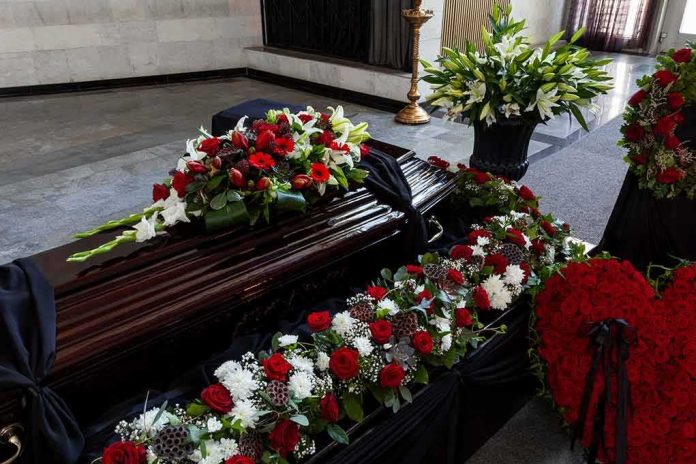
Witnesses and news reports say the wake for 15-year-old Yuleidy Ixcotoyac turned into shock and relief. Mourners saw movement inside the coffin. Video shared by outlets shows the teen sitting up and speaking as people cried out and rushed to help. Her mother, Lesvia Ríos, said she leaned over the coffin and saw her daughter moving. She said the girl then sat up, which set off cries and quick action by family and friends.
Several reports say the teen had earlier lost consciousness while being driven for help. The father reportedly checked for signs of life and believed she had died. Hours later, during the wake, family members saw her respond. The scene unfolded in a rural part of Guatemala, where access to medical care can be limited. People at the wake then helped her out of the coffin and sought further aid, according to multiple accounts.
Key Details On Medical Confirmation
Multiple outlets report that no doctor examined the teen before the wake. They also report that no official death certificate existed for her at that time. These reports align with accounts that the father, not a clinician, believed she had died after checking for breathing and a pulse. The gap between a family assessment and a formal medical exam likely shaped what happened next and why the wake proceeded as it did.
Local reporting says Guatemalan authorities requested medical evaluations after the event. Outlets state that officials opened an inquiry to understand how the teen came to be presumed dead without a clinical assessment. Such reviews typically look at time lines, witness statements, and any available medical records. They can also examine whether emergency services were called and what guidance, if any, was given to the family that night.
Why This Struck A Nerve
This story spread because it shows a basic fear: a loved one declared dead too soon. Reports describe a family acting in crisis, with no doctor’s call and no paperwork. In many places, rural families face long drives, short-staffed clinics, and high costs. Those gaps can push people to make life-or-death judgments on their own. This episode highlights why clear rules and quick access to care matter to everyone, rich or poor.
Medical literature recognizes rare “apparent death” episodes, though these usually occur around clinical resuscitation, not wakes at home. The more likely lesson here is simpler. Families need fast access to trained care before final steps are taken. People across the political spectrum can agree on this. Whether you worry about waste or neglect, the goal is the same: systems that protect life, confirm death properly, and do not leave families to guess in the dark.
Sources:
zerohedge.com, inkl.com, greekreporter.com, wionews.com, perthnow.com.au, infobae.com, lavozdeguate.com, misinforeview.hks.harvard.edu