
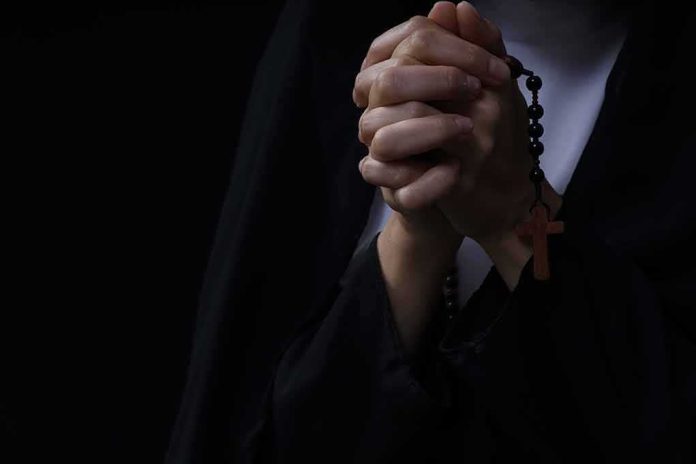
Netflix is promoting a teen series that mixes Catholic imagery with satanic ritual jokes, daring viewers to shrug or shout.
Story Highlights
- Netflix markets The Body with Catholic-school settings, satanic lines, and “Catholic horror.”
- The official synopsis centers on visions and mass hysteria after a dance-team initiation.
- Creator Quinn Shephard calls the show a playful, personal satire of queer repression.
- Advocacy groups accuse Netflix of blasphemy and anti-Catholic content.
What Netflix Says The Show Is About
Netflix describes The Body as a story about Catholic schoolgirls who start seeing prophetic visions after a dance-team initiation goes wrong, sparking mass hysteria in their town. The platform’s press page frames it as a supernatural coming-of-age drama set in a religious school world. That framing positions faith themes as core to the plot, not just a background. It also signals that the series intends to provoke and entertain using a charged mix of religion and horror.
Netflix’s Tudum coverage turns up the heat. It calls the series a “raunchy teen psychodrama” with “Catholic horror,” and quotes a line about a “most holy virgin sacrifice” tied to a dance-team wish. The marketing leans into Mass, guilt, sin, and summoning the devil. That is not subtle. It is built to spark clicks and debate by fusing sacred symbols with taboo humor and shock moments in a high-school setting.
What The Creator Says She Intended
Creator Quinn Shephard says the series is a playful spin on her own teenage years. She describes it as satire about the pain of growing up queer, feeling repressed, and sorting through confusion. She also says she has long seen girlhood as a kind of religious experience, which helps explain the imagery. That intent does not erase offense for some viewers, but it places the show in the lane of personal art that uses faith symbols to explore adolescence.
Shephard’s comments suggest tone as strategy. She uses camp, dark comedy, and genre thrills to push on sensitive topics. Those choices match the marketing’s promise of “gritty camp.” For many creators, this blend is a way to talk about shame, desire, and power without turning a show into a lecture. For many believers, those same choices can feel like ridicule of what they hold sacred. Both reactions can be true at once based on perspective.
Why This Flashpoint Hits A Nerve Now
Fights over sacred images in pop culture are not new. They tend to flare when a story mixes religion, sex, and shock, and when the promotion foregrounds the most provocative bits. The Body checks those boxes by design. That is why petitions and commentary call it “anti-Catholic,” while fans and free-speech advocates defend it as art and satire. The pattern keeps repeating because the legal system protects speech, while communities still judge taste and impact.
Exorcist Reacts to Netflix’s Satanic-Ritual “Catholic Schoolgirl” Series | Fr. Carlos Martins – Joe McClane
An actual exorcist responds to Netflix’s new “Catholic horror” series. Fr. Carlos Martins joins Joe McClane at 4:30 on The Body — eight episodes about Catholic…
— UponThisRock (@DoctrinalStones) November 4, 2026
The clash also speaks to a wider frustration with powerful institutions. Viewers on the right see a platform giant pushing content that trashes tradition. Viewers on the left see a corporation cashing in on trauma talk without fixing real harms. Both sides suspect the cultural gatekeepers chase attention over responsibility. Netflix’s campaign feeds that view: controversy drives clicks, while citizens feel their values and concerns are mostly marketing fuel.
How To Read The Claims, Without Getting Spun
The record confirms that Netflix is selling this series as Catholic-school horror with satanic jokes and ritual bits. It also confirms the creator says the goal is personal satire, not an attack on believers. Those are the solid facts. Claims about specific scenes that “mock the Mass” or sexualize a priest are not proven in the official materials cited here. Until such scenes are documented with clear episode evidence, treat them as unverified.
For families and faith communities, the practical step is simple. Check the official synopsis and the tone signals, then make a viewing choice that fits your home. For citizens worried about cultural power, track how platforms frame faith and sex to grab attention. For people who see art as a tool to heal past shame, weigh whether the satire lands without stepping on what others view as sacred. We can hold speech rights and accountability in tension.
What This Means Beyond One Show
Pop culture is downstream of power. Platforms decide what to promote, how to label it, and which images get top billing. When they mix religion with taboo humor, they profit either way—from hate-clicks or from hype. That does not make the art good or bad on its own, but it does explain why these fights keep coming. Citizens can push for better labeling, clearer age guidance, and honest trailers that reflect the series, not just the outrage bait.
Law is clear on one front. The First Amendment protects speech, including religious satire and offense. That means government will not police blasphemy, and the argument will stay in the public square. In that space, viewers hold the real power: choose, avoid, critique, or create. If we want a culture that treats belief and identity with care, we will need more than outrage. We will need better stories—and better incentives for the people who make them.
Sources:
netflix.com, lifepetitions.com, horrorobsessive.com