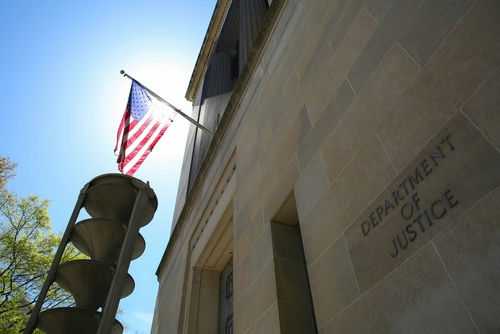
Washington quietly shut down a spy-hunting program that mostly caught paperwork mistakes, not Chinese agents, while leaving both national security and innocent scientists in the crossfire.
Story Snapshot
- The China Initiative was sold as a crackdown on Chinese espionage but often hit researchers for vague disclosure rules instead.
- Biden’s Justice Department ended the program in 2022 after it drained resources and chilled research, yet similar tactics soon returned in new form.
- Almost none of the academic cases involved proven spying, even as China’s government kept targeting U.S. technology and universities.
- Both conservatives and liberals now see a pattern: powerful agencies miss real threats while ordinary people pay the price.
How the China Initiative Started and What It Claimed to Do
In 2018, the Department of Justice launched the China Initiative to fight what officials called a sweeping campaign of Chinese economic espionage and intellectual property theft. The program focused on trade secret theft, hacking, and covert influence tied to the Chinese party-state. Federal Bureau of Investigation leaders said they had thousands of China-connected investigations, and many involved universities and research labs. Supporters saw the program as overdue protection for American factories, labs, and defense contractors already hit by years of industrial spying.
As the initiative rolled out, federal agents and prosecutors turned heavily toward university campuses and grant-funded science. Prosecutors charged professors and researchers over undisclosed links to Chinese universities or funding sources, usually tied to federal grant rules. Officials framed these cases as part of a larger fight with the Chinese government. But many defendants were never accused of stealing secrets at all. Instead, they were accused of leaving off foreign ties on forms that even universities struggled to interpret correctly.
What the Cases Actually Showed Inside U.S. Universities
Independent reviews later showed a very different picture from the tough-on-espionage image. According to data cited by advocacy groups and MIT Technology Review, only a minority of Justice Department “success” cases under the initiative involved actual economic espionage or intellectual property theft charges. A large share, about 38 percent of indictments, involved academic researchers accused of fraud for not fully disclosing Chinese institutional ties on grant paperwork, and none of these fraud defendants were found to have spied for China.
The human fallout was serious, especially for scientists of Chinese descent. National Institutes of Health investigations linked to the initiative led to more than 250, mostly Asian, scientists being removed from their jobs over disclosure issues by 2024. One researcher, Jane Ying Wu, died by suicide after a prolonged investigation despite never being officially charged. Surveys and campus reports describe a strong chilling effect: scientists avoided Chinese collaborators, and some left the United States altogether, weakening American research strength in the very fields Washington claims it wants to protect.
Why Biden Ended the Initiative — and How the Tactics Came Back
In February 2022, President Biden’s Justice Department shut down the China Initiative after a formal review. National security chief Matthew Olsen said the program had created a harmful perception of bias, drained resources, and chilled scientific collaboration, even as real security threats remained. Civil rights advocates and many in academia called this a long overdue course correction, pointing to data showing that about 88 percent of those charged had Chinese ancestry and that many cases fell apart in court.
Ending the program did not mean federal agencies backed off Chinese espionage risks. Instead, Justice Department leaders said they would fold China-related work into a broader strategy covering several foreign countries. Soon after, the department shifted from criminal charges against individual professors to civil cases against universities themselves. Using the False Claims Act, officials began targeting schools like Ohio State and Stanford over alleged failures to disclose Chinese-tied collaborations on grant applications, resulting in a series of settlements between 2022 and 2024.
Race, National Security, and a Pattern of Government Overreach
For many Asian American groups and civil liberties advocates, the China Initiative now looks like another chapter in a long pattern: Washington launches broad security programs that end up singling out whole communities without clear gains in safety. Legal scholars reviewing post–September 11 policies have found that ethnic profiling often produces more harm than benefit, with communities over-policed while real threats adapt and move elsewhere. The same critics argue that the initiative used ancestry and nationality as crude risk flags, despite official bans on racial profiling.
Congress is moving to rebuild something it killed two years ago. The original China Initiative ran from 2018 to 2022, got accused of ethnic profiling of Chinese-American scientists, and collapsed under the weight of prosecutions that fell apart in court. Now the House wants a…
— Foreign Interference Research Center (@ForIntOrg) July 4, 2026
Supporters of the original initiative counter that the Chinese government really does target people of Chinese heritage for recruitment, so it is not shocking that many defendants were ethnically Chinese. They say ending the program signaled weakness to Beijing. Yet even some former federal prosecutors involved in these cases admit the effort “lost its focus” and chilled healthy scientific collaboration instead of zeroing in on genuine spies. That combination — real foreign threats plus clumsy, heavy-handed enforcement — is exactly what worries Americans across the political spectrum.
How This Fits the Bigger Story of a Failing Federal System
Conservatives who want a tough line on China and liberals who worry about discrimination can both see a deeper problem here. A program sold as a hard punch against Chinese espionage mostly produced collapsed prosecutions, broken careers, and vague settlements, while the core technology race with China only grew more intense. Biden’s move to end the initiative fixed some optics but did not truly reform the incentives inside the Department of Justice, universities, or grant agencies that allowed this mess to grow.
For ordinary Americans watching from the sidelines, it looks like business as usual in Washington. Powerful bureaucracies create sweeping programs in the name of safety, focus on easy statistical “wins” against people with little power, and then quietly rebrand when the backlash comes. Meanwhile, real national security challenges, soaring costs, and a shrinking middle class keep grinding on. The China Initiative story is not just about spies or scientists — it is another warning sign that the federal system is serving itself more than the people it claims to protect.
Sources:
thegatewaypundit.com, wilmerhale.com, youtube.com, asbmb.org, brennancenter.org, stopaapihate.org, justice.gov