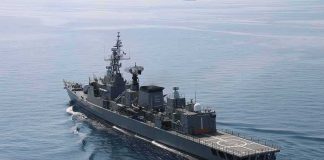
President Trump’s bold push for U.S.-backed insurance in the Strait of Hormuz shields American families from Iran-backed oil shocks, proving energy independence triumphs over globalist vulnerabilities.
Story Highlights
- Trump administration explores government-backed insurance to keep oil flowing despite Iranian threats and insurer pullouts.
- Maersk suspends Strait transits after insurers cancel war-risk coverage, risking U.S. pump prices.
- Strait of Hormuz carries 20 million barrels daily, vital for global supply and American consumers.
- Expert Stephen Moore praises Trump’s “drill, baby, drill” as key to buffering shocks.
Conflict Ignites Insurance Crisis
U.S.-Israeli strikes on February 27, 2026, launched the current escalation with Iran. Iranian drone and missile retaliations followed across the region. Major insurers including Gard, Skuld, NorthStandard, London P&I, and American Club canceled war-risk coverage for Iranian waters. Maersk, a leading shipping firm, suspended all transits through the Strait of Hormuz, delaying Gulf services. These actions tighten oil supply without full blockades, directly threatening U.S. gasoline prices. The White House now eyes innovative fixes to protect consumers.
Trump’s Strategic Insurance Backstop
The Trump administration proposes U.S.-backed insurance to absorb losses and lower premiums for tankers. Lloyd’s of London maintains some coverage for over $25 billion in hull value while discussing options with U.S. officials. Brokers like Marsh have met with Trump representatives on these ideas. This approach sustains oil flows through the Strait, which handles 20 million barrels daily or 20% of global LNG supply. It aligns with Trump’s deregulation and domestic drilling push, countering past fiscal mismanagement that left America exposed.
Historical Precedents and Power Dynamics
The Strait of Hormuz has long been a flashpoint, from the 1980s Tanker War to 2019 tanker attacks that spiked premiums without blockades. Insurers now dictate transit feasibility as premiums surge, deterring shipments. Iran leverages asymmetric threats to disrupt flows, while U.S. military presence and insurance backstops provide leverage. Trump leads policy alongside shippers like Maersk, who prioritize crew safety amid missile risks. This setup tests America’s resolve against foreign aggression eroding economic security.
Expert Views Praise Resilience
Economist Stephen Moore of Unleash Prosperity endorses Trump’s strategy, stating it shields consumers from Iran-driven shocks through expanded drilling. Kpler analyst Matt Smith notes insurance remains essential for transits but offers little comfort against attacks, highlighting persistent risks. Coverage disruptions form a non-military battleground. Pro-Trump perspectives see this as innovative deregulation; balanced views acknowledge limits. No verified Trump quote endorses toppling Iran for short-term surges, focusing instead on defensive market tools.
Impacts on American Families
Short-term, higher premiums slow tankers, elevating U.S. gasoline prices and hitting drivers’ wallets. Long-term, prolonged conflict risks detours and volatility, though backstops could normalize flows. Gulf exporters face delays, crews encounter dangers, and global shocks ripple outward. Politically, this validates Trump’s energy independence narrative against Biden-era weaknesses like overspending and open borders. Domestic drilling offsets strains, prioritizing American workers over globalist agendas.
Trump Argues A ‘Short Term’ Surge in Oil Prices Is Worth Toppling Iran: ‘ONLY FOOLS WOULD THINK DIFFERENTLY’ Mediaite https://t.co/gpGXdxynZG
— #TuckFrump (@realTuckFrumper) March 8, 2026
Sources:
Fox News: Unlikely tool Trump eyeing to tackle rising oil prices amid Iran conflict