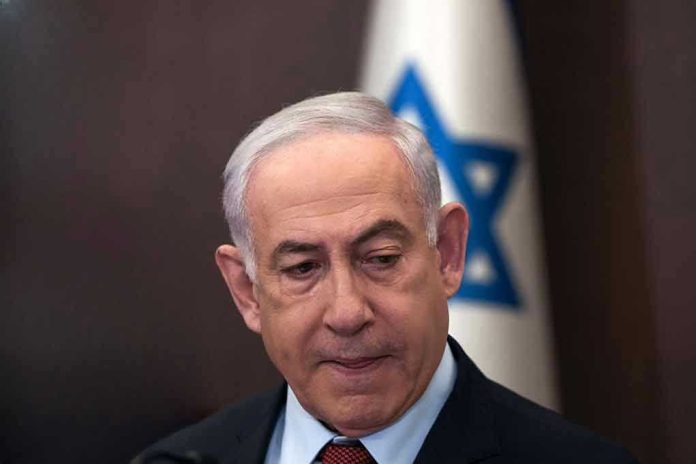
Netanyahu’s bombshell accusation that his own security chief knew the October 7 Hamas attack was “likely” at 4:30 a.m. but failed to wake him exposes a catastrophic intelligence breakdown that left 1,200 Israelis dead.
Story Snapshot
- Netanyahu claims Shin Bet chief Ronen Bar knew invasion was “likely” by 4:30 a.m. but didn’t alert him
- Intelligence agencies issued multiple warnings throughout 2023 that were dismissed or deemed non-urgent
- Bar’s firing amid the blame game coincides with probes into Netanyahu aides’ Qatar connections
- Over 1,200 Israelis died and 251 were taken hostage in the deadliest attack in Israeli history
Security Chief’s Fatal Dawn Decision
Shin Bet Director Ronen Bar allegedly understood by 4:30 a.m. on October 7 that a Hamas invasion was likely but made the catastrophic decision not to wake Prime Minister Netanyahu or warn Gaza border communities. Netanyahu’s office branded this revelation as “fact, not conspiracy,” shifting blame from political leadership to intelligence failures. The timeline shows Bar had crucial hours before the 6:30 a.m. air raid sirens to mobilize defenses and save lives.
Years of Ignored Intelligence Warnings
Israeli intelligence possessed Hamas’s “Walls of Jericho” invasion plan since 2016, yet leadership consistently dismissed the threat as non-credible. Between March and July 2023, Military Intelligence issued four separate warnings to Netanyahu about Palestinian escalation. A signals intelligence officer warned in July 2023 that Hamas assault preparations were “non-imaginary,” but these alerts were buried under Netanyahu’s strategic assumption that Hamas prioritized Gaza governance over major attacks.
Strategic Miscalculation Enables Massacre
Netanyahu’s post-2009 strategy of bolstering Hamas with Qatari funds to counter the Palestinian Authority created a false sense of security. Military Intelligence Director Aharon Haliva predicted five years of quiet in 2022, reflecting widespread “cognitive closure” that ignored mounting evidence. This strategic miscalculation left Israeli communities defenseless against an enemy that had spent years planning the largest terrorist attack in the nation’s history.
The intelligence failure extended beyond missed warnings to fundamental assumptions about Hamas capabilities and intentions. Despite possessing detailed invasion plans and receiving multiple alerts, Israeli leadership maintained their deterrence theory until it was too late. The U.S. even warned Israel of a possible Hamas surprise attack days before October 7, though Israeli officials disputed this claim.
Political Blame Game Obscures Accountability
Netanyahu’s public battle with Bar reflects deeper accountability questions as investigations reveal systemic failures across the intelligence community. Bar countered Netanyahu’s accusations with claims of issuing “countless warnings” and described his firing as politically motivated amid probes into Netanyahu aides’ Qatar ties. This blame game between political and intelligence leadership delays critical reforms needed to prevent future catastrophic failures that cost Israeli lives.
The October 7 massacre represents more than intelligence failure—it exposes how political strategies that appeased Hamas for short-term stability created long-term vulnerability. With over 1,200 dead and ongoing regional escalation, Israel’s leadership must move beyond finger-pointing to ensure such devastating security breakdowns never happen again.
Sources:
PM: ‘Fact, not conspiracy’ — Shin Bet chief knew Oct. 7 attack likely, didn’t wake me
Israel’s Oct. 7 Early Warning Failure: Who Is to Blame?
Israeli government response to the October 7 attacks
The October 7 Attack: An Assessment of the Intelligence Failings
How Could Israeli Intelligence Miss Hamas Invasion Plans?