A Utah judge’s decision to allow cameras in the trial of Charlie Kirk’s accused assassin delivers a win for transparency, but raises alarms over a fair trial for the man charged with silencing a leading conservative voice.
Story Highlights
- Utah Judge Tony Graf denied defense motion to ban cameras on May 8, 2026, prioritizing public access in the murder trial of Turning Point USA founder Charlie Kirk.
- Preliminary hearing rescheduled to July 6-10, 2026; cameras restricted to courtroom rear to protect defendant Tyler Robinson’s rights.
- Victim’s widow Erika Kirk and prosecutors support cameras to combat conspiracy theories and ensure accountability.
- Defense warns of jury tainting from media “vilification” and livestream analysis, echoing Sixth Amendment concerns.
The Assassination of Charlie Kirk
On September 10, 2025, Charlie Kirk, 31-year-old founder of Turning Point USA, suffered a fatal neck shot while speaking at Utah Valley University in Orem, Utah. Tyler Robinson, 23, surrendered the next day. This politically charged killing thrust the case into national spotlight, fueling online conspiracy theories. Conservative communities mourned Kirk as a champion against woke agendas and globalism, viewing the attack as an assault on America First principles.
Judge Graf’s Ruling on Media Access
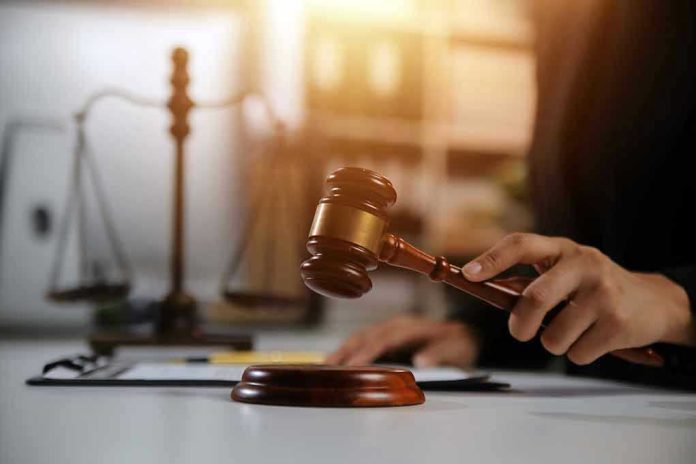
Utah State District Judge Tony Graf rejected the defense’s May 8, 2026, motion to prohibit cameras, photographers, TV crews, and microphones. He mandated case-by-case reviews for media requests. Cameras stay positioned at the courtroom rear, following prior violations like December 2025 shackle exposures and January 2026 close-ups. Graf stressed public accountability outweighs out-of-court commentary risks, aligning with Utah Rule 4-202.
Stakeholder Positions and Legal Balance
Prosecutors and Erika Kirk back transparency to counter misinformation and deliver justice. Media coalitions, including AP and Fox News, intervened citing First Amendment rights. Defense attorneys argued livestreams enable lip-reading and demeanor speculation, depicting Robinson as a “monster” and biasing Utah County jurors. Judge Graf acknowledged these Sixth Amendment tensions but favored openness, consistent with Supreme Court precedent like Chandler v. Florida.
#BREAKING: Judge allows cameras in Charlie Kirk murder trial; proceedings set to begin in July.
— Insider Wire (@InsiderWire) May 8, 2026
Impacts on Trial and Public Trust
The July preliminary hearing delay prolongs resolution for Kirk’s family while heightening pretrial publicity in conservative Utah. Media gains access under strict rules, boosting ratings but risking defendant dehumanization. This ruling sets precedent for high-profile trials amid misinformation, reinforcing demands for government accountability. Both conservatives frustrated by elite corruption and liberals wary of deep state overreach see value in transparent justice over hidden proceedings.
Sources:
Man accused of killing Charlie Kirk pushes to ban cameras from court (WDRB/AP)
Fox News coverage on Charlie Kirk trial camera ruling