A newly released documentary features three men who say the late Senator Lindsey Graham paid them for sex, including one man who says he was a driver in a $1,500 overnight booking at Washington’s Mayflower Hotel.
Story Snapshot
- A documentary called “The CLOSETocracy” features three men alleging paid sexual encounters with Graham.
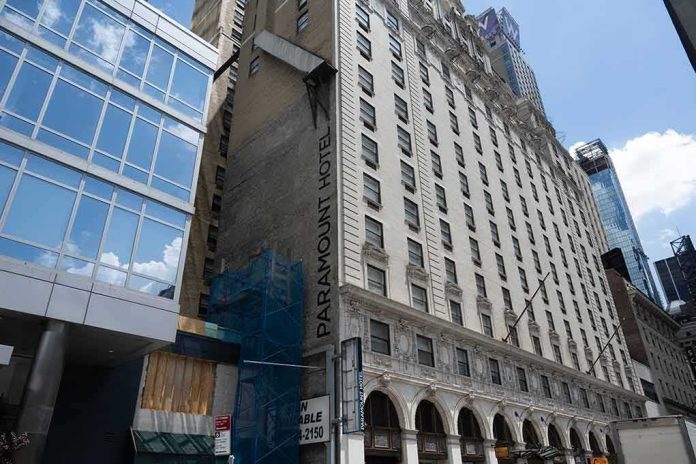
- Witness Cory Burns, an adult-film performer known as Sean Harding, describes a $1,500 Mayflower Hotel booking arranged through a middleman.
- One of the three men says he was 17 years old at the time of his alleged encounter.
- Graham died before the documentary came out and never responded to the claims.
Documentary Names Three Accusers
Swamp Watch Studios and The Young Turks released the documentary in October 2026. It features three men, identified as Kelvin, Cory, and Jesse, who each describe separate paid encounters with Graham. The accounts span different years and locations, including Arizona and Washington’s Beacon Hotel, alongside the Mayflower allegation. One accuser says he was only 17 at the time.
Cory Burns gives the most detailed account. He says an intermediary arranged a $1,500 overnight booking, a driver took him to the Mayflower Hotel, and he had sexual contact with the client that night. Burns told the filmmakers he did not recognize the man at the time but later identified him as Graham after seeing him on television.
Specific Details Anchor Burns’s Account
Burns’s story includes concrete details beyond a bare accusation. He names an intermediary who set up the deal, describes being picked up by a private driver, and points to a specific hotel and dollar amount. A separate report says a companion website tied to the documentary posted travel reservations, an escort advertisement, and records matching Graham’s public schedule around the alleged date.
Media outlets have noted that Burns is also known professionally as Sean Harding, though some reports spell it Shawn Harding. The documentary presents his interview on camera, giving the public a fixed, reviewable record of his claims rather than a secondhand summary.
Graham Could Not Respond Before His Death
Graham died before the documentary’s release, so he never had a chance to answer the allegations directly. Throughout his career, he repeatedly and publicly denied being gay whenever rumors surfaced. His death also means investigators cannot question him about the claims, leaving reporters to rely on the accusers’ accounts and any supporting records that still exist.
The allegations arrive against a backdrop of years of rumors about Graham’s personal life, which conservative and mainstream outlets alike have covered. Separately, the Daily Beast reported that a conservative commentator, Andrew Kolvet, acknowledged he had heard claims about Graham paying a teenager for sex well before the documentary surfaced. That detail adds another layer to a story already drawing attention from activists, reporters, and political commentators across the spectrum.
For readers frustrated with how Washington handles accountability, the case lands at a familiar intersection: a powerful, now-deceased lawmaker, accusers with no obvious financial incentive to lie, and a media and political system slow to examine claims that involve its own members. Whether or not every detail holds up, the documentary has forced new public attention onto Graham’s record and the culture around it.
Sources:
theamericanconservative.com, x.com, pridesource.com, thoughtcatalog.com, newsweek.com