A man in a wheelchair opened fire on a SWAT team at his door, wounding two officers before an officer’s return shots ended the gunfight.
Story Snapshot
- Officials say Donald Gardner fired as officers opened his door during a warrant service.
- Two officers were hit; one in the leg and one in the helmet area, reports say.
- Officer Robert Reynolds returned fire and struck Gardner, who was later pronounced dead.
- Body-camera video and radio audio from the scene were released by the state.
What Happened At The Door
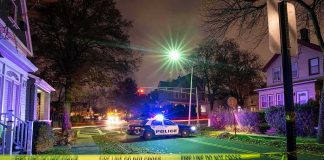
New Jersey’s top law enforcement office says the shooting began the moment the door opened. On June 2, 2026, Atlantic City Police Department SWAT and the Atlantic County Prosecutor’s Office SWAT served a search warrant at a home on the 100 block of North Florida Avenue. As the door opened, officials say Donald Gardner fired multiple rounds at officers. Police body-camera clips and radio transmissions from the scene support that timeline and were released for public review.
The first seconds were chaos. The video shows officers announce a search warrant, then a burst of gunfire. Reports describe two officers hit in that exchange. One officer took a round in the leg. Another officer’s helmet was struck, which shows how close this came to a line-of-duty death. Officers pulled back, called out injuries, and moved to cover as the team worked the problem under fire.
The Shots That Ended The Fight
Officials identify Officer Robert Reynolds as the officer who fired the shots that stopped Gardner. Reynolds was not hit. He fired multiple times, striking Gardner, who was later pronounced dead at the scene, according to the New Jersey Attorney General’s Division of Criminal Justice. That account aligns with several contemporaneous news reports that detail two wounded officers and Gardner’s death after the return fire.
The released materials do not read like vague talking points. They include body-worn-camera footage and radio audio from the operation. That evidence gives the public a clear sense of the sequence: announce, breach, gunfire from inside, officers down, return fire, suspect down. The Attorney General’s office calls this a preliminary account while the investigation continues, which is standard in police shootings.
Why The Tactics Matter
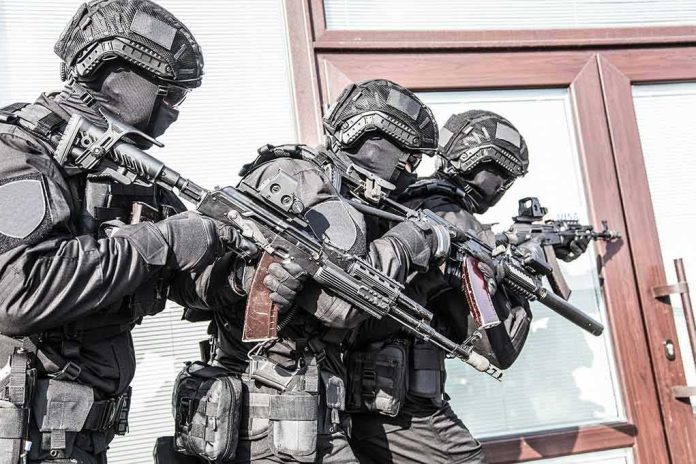
Search-warrant service is a high-risk mission even for elite teams. Most Special Weapons and Tactics deployments nationwide involve search warrants, and many require forced entry. The sheer number of these operations means most end without shots fired, but the narrow slice that go wrong can go very wrong. The Atlantic City case shows why teams announce, stack, and plan angles: the first second inside a threshold can decide who lives and who dies.
Atlantic City Officer Fatally Shoots Armed Felon After Two Officers Are Shot
Atlantic City, New Jersey — June 2, 2026, at approximately 2:55 p.m., 52-year-old Donald Gardner, also known as Donald Capriotti, was fatally shot by an Atlantic City police officer after gunfire… pic.twitter.com/6UejATBU9O
— Police Incidents (@PoliceIncident) October 15, 2026
American conservative values stress two things at once: back the blue and judge facts, not vibes. The official materials show officers announced the warrant, then took fire as the door opened. That aligns with lawful entry and a clear threat. When a suspect shoots at police, deadly force to stop that threat meets both law and common sense. Calls to second-guess split-second returns of fire ignore the plain duty to protect partners and the neighborhood outside that door.
What The Video Clears Up—and What It Does Not
The video and radio traffic clarify key points. Officers announced the warrant. Gunfire erupted from inside at the moment of entry. Two officers were hit. Reynolds returned fire and ended the threat. These are the pillars you can stand on today. The state notes the investigation remains open, which may add detail later, but the backbone of the event—who shot first and how it ended—now rests on direct recordings, not rumor.
Why This Case Resonates Beyond One Block
The wheelchair detail grabs attention, but a firearm in trained hands remains a lethal threat at close range. Doorways compress time and space. A single second can send rounds through armor and into a partner’s femoral artery or skull. That is why teams use shields, helmets, and layered roles. The Atlantic City gunfight is a stark reminder: mobility status does not erase intent or danger. The officers’ response protected each other and the city beyond that hallway.
Sources:
nbcphiladelphia.com, courierpostonline.com, newjersey.news12.com