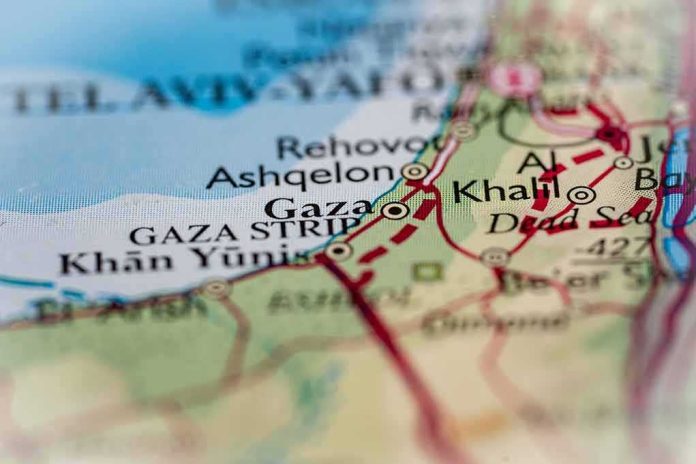
Israel ordered a full closure of West Bank checkpoints and Gaza crossings on October 5 and October 7, citing security needs tied to the October 7 anniversary.
Story Snapshot
- Defense Minister Israel Katz directed the closures after a military assessment.
- Exceptions will apply only for medical and humanitarian cases approved by Israeli authorities.
- The move fits a long pattern of tight movement limits during high-risk dates.
- Workers, patients, and aid groups face delays and disruptions on the closure days.
What Israel Ordered and When It Takes Effect
Israel’s Coordinator of Government Activities in the Territories said crossings would shut on Monday and Wednesday that align with remembrance events for the October 7, 2023 attacks. Defense Minister Israel Katz said he issued the order after reviewing military advice on threats linked to the anniversary. Officials framed the step as temporary and focused on preventing attacks. The order covers the occupied West Bank and the Gaza crossings, with stated narrow exceptions for urgent medical and humanitarian needs.
The closure dates are October 5 and October 7. Israeli officials often tighten movement at times they judge risk to be higher. This decision follows that long-running practice. Security planners aim to deter plots and reduce mass-casualty risk during memorials. That goal drives the choice to pause most travel. The plan leaves a small path for life-saving cases. It also asks local and aid groups to adapt in a tight window to minimize harm while security forces stand guard.
How the Closures Change Daily Life
Movement in and out of the West Bank and the Gaza crossings will pause for most people during the two named days. Palestinian workers who cross for jobs will likely miss shifts and income. Families with medical needs must seek fast approval through Israeli channels to move. Aid groups planning deliveries face delays and re-routing. Employers on the Israeli side lose labor for those days as well. These costs are short term, but they land on people who already manage tight margins.
Humanitarian and medical exceptions exist, but they require approval from Israeli authorities. That gatekeeping can slow urgent travel, even when intent is good. Health workers often warn that time-sensitive care suffers when permits are needed on short notice. The concern is sharper in Gaza, where people and goods have faced heavy limits for years. The closures add friction to supply chains, hospital referrals, and family visits. Officials say these steps save lives. Civilians say the burden is heavy and constant.
Why This Fits a Larger Pattern
The move echoes a wider security-first policy on movement that Israel has used since before the current war. Human Rights Watch reports that since 2007, most people in Gaza have been blocked from travel through the Erez Crossing, and that after October 7, 2023, crossings were largely sealed for people and goods. Israeli leaders argue such rules limit terror groups and keep civilians safe. Critics say the rules trap ordinary people and turn routine tasks into crises.
BREAKING: Defense Minister Israel Katz ordered West Bank and Gaza crossings closed Oct. 5 and Oct. 7 for Oct. 7 remembrance, not today. Humanitarian cases need COGAT approval. Gaza aid will not enter those days. pic.twitter.com/OClAp87sTp
— First Feed News (@FirstFeedNews) October 4, 2026
Israel’s messaging stresses that the closures are brief, targeted, and reviewed by the military. The stated aim is to deter violence during tense memorial days. That stance can reassure many Israelis who fear repeat attacks. At the same time, people living under closures see a familiar pattern. They face lost income, missed classes, late treatments, and canceled plans. Both realities can be true at once. Risk is real, and so is the harm that broad closures cause to daily life.
What to Watch Next
Key signals will come from how tightly exceptions are managed and how quickly normal crossing hours return after October 7. Smooth approvals for medical and humanitarian cases would show officials are trying to reduce harm while holding firm on security. Any extensions beyond the stated days would raise new costs for families, clinics, and employers. Aid actors will track delays. Local leaders will watch whether the policy reduces threats without sparking fresh unrest around checkpoints.
Why This Matters for Americans
Security trade-offs abroad often echo debates at home. Many Americans worry that leaders use blunt tools that hit regular people hardest while claiming safety wins. This closure shows that tension. Israel seeks calm on a painful date. Palestinians carry the weight of another pause on movement. The lesson is not left or right. It is about how states balance risk and rights. Voters here can ask the same hard questions when our own agencies restrict daily life.
Sources:
redstate.com, jpost.com, english.ahram.org.eg, sadanews.ps