Washington’s pledge to impose the “toughest sanctions in history” on Iran now collides with Tehran’s threat to target 45 tankers in the Strait of Hormuz, raising real risks for energy prices and global trade.
Story Snapshot
- The Treasury Department says new actions will sever Iran’s cash channels and avoid wider war.
- Iran blacklisted 45 tankers and warned of fines, detention, and cargo seizures in Hormuz.
- Officials describe a shadow fleet moving Iranian oil through hidden networks.
- Experts say sanctions often hurt economies but deliver mixed strategic results.
What Washington Announced And Why It Matters
The Treasury Department framed its latest push as a direct strike on Iran’s money networks. Officials said they aim to cut off entities that help Tehran move “hundreds of millions of dollars” and dodge past limits, using existing legal tools that target oil and shipping networks. Treasury Secretary Scott Bessent said the United States will roll out “the toughest sanctions in history” and argued strong economic pressure can reduce the need for large military operations. The claim sets a high bar for impact and invites close tracking of results.
Past measures already hit petroleum and shipping channels. The United States has listed vessels and firms tied to crude transport and described a “shadowy network of vessels, shippers, and brokers” that helps Iran sell oil outside formal systems. Those actions seek to raise the cost and risk for any company or captain that moves restricted cargo. The approach depends on tight enforcement and on foreign partners who control ports, insurance, and finance. Without that, sanctions leak and lose bite.
How Tehran Responded At Sea
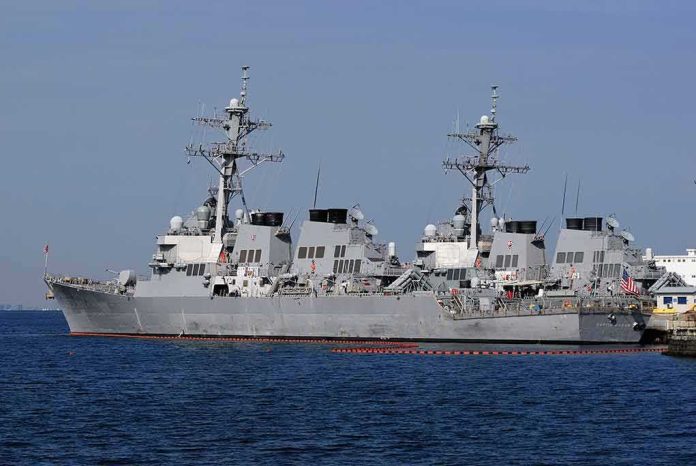
Iran blacklisted 45 tankers it says broke its rules for crossing the Strait of Hormuz and warned of fines, detention, and cargo seizures for vessels linked to them. That move signals Tehran’s ability to inject risk into a waterway that carries a large share of the world’s oil. Even a small disruption in Hormuz can raise prices, squeeze household budgets, and strain small businesses that already face high costs. The back-and-forth also narrows space for diplomacy while ships, crews, and insurers bear the immediate danger.
Iran’s leaders also attacked the legal basis of Washington’s plan. A Foreign Ministry spokesman called the expected measures “economic warfare” and said secondary sanctions violate the sovereignty of other countries under the United Nations Charter. That line seeks to pull neutral states away from U.S. enforcement and to frame compliance as submission to foreign control. The argument may find an audience where governments worry about energy access, trade ties, and their own domestic prices.
The Promise And Limits Of Economic Pressure
Supporters of tougher sanctions argue money is the fuel for Iran’s regional actions, so cutting cash flows can curb threats without firing shots. The policy fits a broader “economic first” playbook that aims to spare U.S. troops and avoid another war in the Middle East. It also plays to public fatigue with long conflicts and high costs. But the government has not yet released the full package or its exemptions, so questions remain about the exact targets and the safeguards for food and medicine.
9 AM Top-of-the-Hour News
Treasury Secretary Scott Bessent will lay out details today of major new sanctions against Iran. Worldwide News Network’s Stacy Lyn reports from Washington.: “The Trump administration is preparing what Treasury Secretary Scott Beset calls an economic… pic.twitter.com/2BqjelSBLn
— Worldwide News Network (@WorldwideNNX) August 24, 2026
Independent research shows a clear pattern: sanctions can hit growth, exports, and government revenue, but they often produce mixed or short-lived strategic results. Iran has adapted by using alternative payment routes, ship-to-ship transfers, and reflagging schemes, which complicate enforcement. That record fuels doubts on both the right and the left. Many Americans see powerful insiders, at home and abroad, finding workarounds while families face higher prices at the pump and in the store.
What To Watch Next
First, watch for the full text of the new designations, annexes, and licenses. The details will show whether the measures are tight and targeted or wide and blunt. Second, track tanker traffic in Hormuz and insurance rates for ships in the region. A rise in premiums or diversions would signal real stress from Tehran’s blacklist. Third, look for responses from key buyers and shippers. If large players keep moving Iranian barrels, pressure may not match the rhetoric.
For U.S. households, the stakes are simple. Strain in Hormuz means pricier fuel and higher shipping costs. That hits commuters, truckers, and farmers first, then everyone who buys food and goods. Policymakers promise that sharper, smarter sanctions can deter Iran and avoid war. Skeptics warn the tactic can escalate at sea and still miss core goals on land. As this unfolds, demand clarity, proof of results, and guardrails that keep everyday Americans from paying the highest price.
Sources:
aljazeera.com, state.gov, home.treasury.gov, oilprice.com, ilam.iqna.ir, tehrantimes.com, consilium.europa.eu