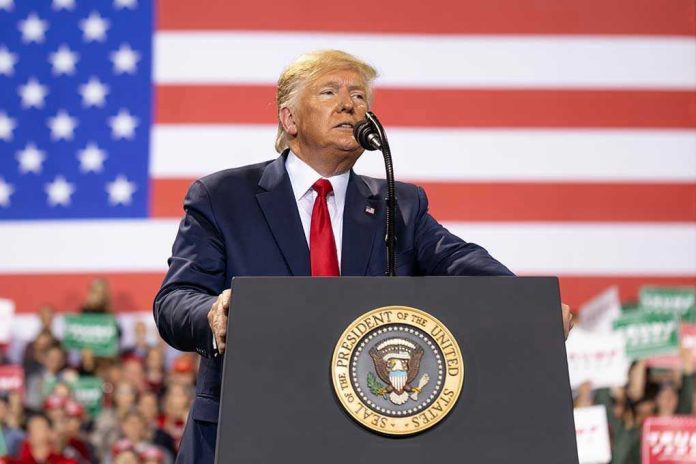
The mobilization of the Minnesota National Guard in response to recent ICE shootings and President Trump’s threats to invoke the Insurrection Act has stirred a nationwide debate on federal authority.
Story Highlights
- Minnesota National Guard placed on standby amid ICE shooting incidents in Minneapolis.
- President Trump threatens to invoke the Insurrection Act, later retracts threat.
- Tensions rise between federal and state authorities over immigration enforcement.
- Public safety measures in place ahead of anticipated protests.
Federal and State Tensions Over Immigration Enforcement
The recent deployment of National Guard troops in Minneapolis highlights the escalating tensions between federal and state authorities over immigration enforcement. The tension was sparked by two ICE agent-involved shootings, prompting Governor Tim Walz to activate state resources and place the National Guard on standby. President Trump’s threat to invoke the Insurrection Act added fuel to the fire, although he later retracted this threat, emphasizing the need to protect ICE agents amid local protests and unrest.
Operation Metro Surge and Its Impact
Operation Metro Surge has brought over 2,000 ICE agents to the Twin Cities, intensifying the enforcement of immigration laws. This operation follows a pattern of increased federal intervention in cities like Chicago and Portland. The involvement of federal troops has been met with criticism from local authorities who argue that such actions risk the safety of residents and undermine state control. The deployment is seen as a precautionary measure, with the National Guard remaining on standby to support law enforcement if necessary.
The mobilization of the National Guard serves as a precautionary measure amidst the heightened tensions. While the troops remain on standby, the potential for deployment during protests over the weekend remains high. Public safety officials have stressed the importance of peaceful protest, urging calm and cooperation to prevent unnecessary escalation.
Legal and Social Implications of the Insurrection Act
The threat to invoke the Insurrection Act has sparked a significant legal and political debate. While the act gives the President authority to deploy federal troops to suppress civil disorder, its application in this context is controversial. Legal scholars and Minnesota’s Attorney General Keith Ellison have questioned the legitimacy of its use, indicating plans to challenge any federal overreach in court. This situation sets a precedent for future federal and state interactions, particularly concerning immigration enforcement.
The broader implications of this situation are far-reaching. The federal-state friction highlights the ongoing debate over immigration policy and state sovereignty. Additionally, the potential deployment of the National Guard raises concerns about the militarization of law enforcement and the impact on civil liberties. As the situation unfolds, the balance between federal authority and state rights remains a critical point of contention.
Sources:
Minneapolis ICE shooting live updates – ABC7
Weekend protest safety plan presented – FOX9
2025–2026 domestic military deployments in the United States – Wikipedia