A Ukrainian drone strike on a Russian oil tanker in the Mediterranean has escalated tensions, prompting Putin to vow retaliation.
Story Highlights
- Ukrainian drone strikes Russian oil tanker in the Mediterranean.
- Putin vows retaliation, labeling the attack as terrorism.
- Ukraine targets Russian economic assets supporting the war.
- Incident marks a geographic escalation in the Russia-Ukraine conflict.
Ukrainian Drone Strike in the Mediterranean
Ukraine’s Security Service (SBU) executed an unprecedented long-range drone strike on the Russian-linked oil tanker Qendil in the Mediterranean, marking the first confirmed Ukrainian attack on Russia’s “shadow fleet” outside the Black Sea. The tanker, empty at the time, suffered critical damage, with Ukraine justifying the attack as a legitimate military-economic target. This action highlights Ukraine’s expanded strike capabilities, showcasing a global reach that raises the stakes in the ongoing maritime conflict.
The Qendil, part of Russia’s sanctions-evasion shadow fleet, was targeted while transiting between Malta and Crete. The attack underscores Ukraine’s strategy to disrupt Russia’s oil logistics, which contribute significantly to funding the war. By hitting economic targets, Ukraine aims to increase the cost and risk of sanctions evasion for Russia, leveraging its advanced drone technology to strike far beyond its borders.
Putin’s Response to the Attack
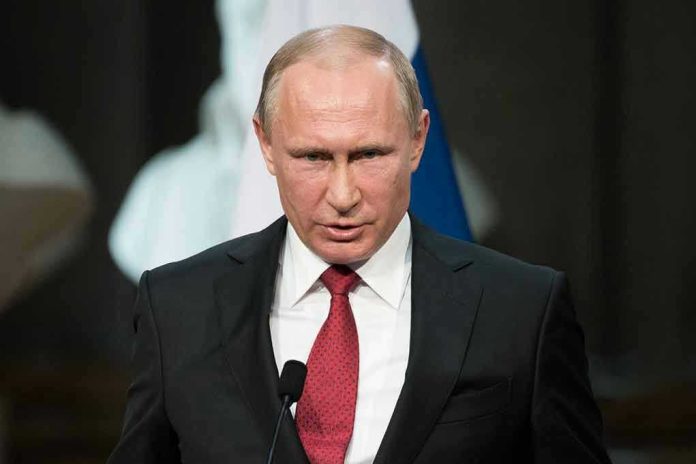
Following the strike, Russian President Vladimir Putin vowed a decisive response, framing the attack as an act of terrorism. During his annual end-of-year press conference, Putin threatened to “cut Ukraine off from the sea,” signaling potential escalations in Russia’s retaliatory measures. This rhetoric aims to deter further Ukrainian attacks on Russian maritime assets, emphasizing the strategic importance of oil exports to Russia’s war economy.
Despite the heightened tensions, the attack on the Qendil did not result in casualties or environmental damage, as the tanker was empty. Nonetheless, the incident highlights the vulnerability of Russia’s shadow fleet, even in distant waters, necessitating a reassessment of protection measures and routing strategies to mitigate risk.
Geopolitical and Economic Implications
This event opens a new geographic front in the maritime war, raising concerns about the security of global shipping lanes. The Mediterranean, a crucial corridor for global energy flows, now sees increased military activity, impacting coastal states and the global maritime industry. As the EU and G7 consider stricter enforcement measures against sanctions evasion, this strike reinforces the physical risks associated with operating within Russia’s shadow fleet.
The attack may prompt Russia to intensify efforts to interdict Ukrainian maritime commerce, potentially affecting Black Sea access and grain exports. NATO and EU navies could face increased demands to monitor and ensure the security of shipping activities in these volatile waters.
Sources:
Ukraine Strikes Russia‑Linked Tanker In The Mediterranean With Bomber Drone