
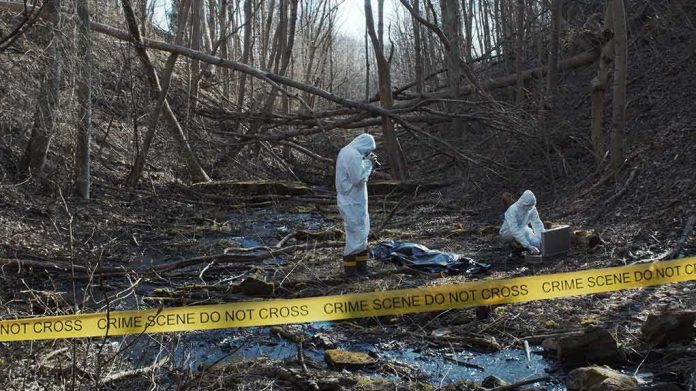
The coroner ruled that five-year-old Saylor Hayes died from drowning, with child neglect listed as a contributing factor.
Story Snapshot
- The coroner found drowning as the cause of death and cited neglect as a contributing factor.
- The manner of death remains undetermined, not labeled accidental or homicidal.
- Police charged the parents with child endangerment-related offenses after her August disappearance.
- Reports say a tracking device was left in Virginia while searchers looked in South Carolina.
Coroner’s Findings and What They Mean
Georgetown County Coroner Chase Ridgeway concluded that Saylor died from asphyxia due to drowning. He also listed child neglect as a contributing factor. The manner of death stayed “undetermined,” meaning officials could not say if it was an accident or a homicide. This finding sets the medical cause while leaving the legal question to the courts and investigators. The report followed months of testing after Saylor’s August recovery from the Waccamaw River near Pawleys Island.
Authorities said Saylor’s body was found in the river near the family’s rental home on August 31. Earlier that day, her disappearance triggered a large search effort that covered land and water. The coroner’s medical ruling focuses on what ended her life—drowning—without deciding intent. That split is common in complex child death cases. It helps explain why criminal charges can proceed while medical examiners avoid guessing about intent.
Charges Filed and Key Allegations from Investigators
Police arrested Saylor’s parents, John Herb Hayes III and Geordyn Nichole Hayes, in early September. They were charged with unlawfully placing a child at risk and willfully abandoning a child. A judge later denied bond, citing the serious nature of the case. The charges do not decide guilt; they start the court process. Prosecutors will need to show that the parents’ actions or failures placed Saylor in danger that led to harm.
News reports summarizing arrest affidavits say the parents told responders that Saylor wore a Project Lifesaver-style tracking device. Investigators later found the device at the family’s Virginia home. Officials said the claim pushed search teams to spend time on the transmitter and away from the river, where Saylor was later found. These points, if proven in court, could support a neglect theory about supervision and accurate information during the search.
Safety Risks for Children Who Wander and Love Water
Studies show that many autistic children wander and face high drowning risks, especially near ponds, lakes, and rivers close to home. Research published in medical and public health outlets links wandering with serious injury and death by drowning more often than other hazards. These patterns do not answer the legal questions in this case, but they explain why experts urge secure doors, alarms, fences, and close supervision near water for children with substantial support needs.
The coroner in Georgetown County, South Carolina say that 5yo Saylor Hayes died of "asphyxia due to drowning, with child neglect a contributing factor."
They also note “This classification reflects the inability to conclusively determine whether Saylor’s death was accidental or… pic.twitter.com/FhFXUK6vi7
— Chris Stewart (@CStewartNews) November 9, 2026
Parents and caregivers across the country often struggle to find services that match these risks. Families report barriers to getting fences, alarms, and skilled respite care, even when therapies are available. That gap fuels anger on both the right and left, who see systems that fund paperwork but miss real safety. This case highlights why many Americans believe government programs and institutions talk a lot, spend a lot, and still fail to protect vulnerable kids when minutes matter.
How This Case Moves Forward
The medical ruling on drowning provides a clear cause of death. The criminal case will test whether the state can prove neglect tied to Saylor’s disappearance and recovery. Defense lawyers may challenge what the parents knew and when, and what steps were reasonable at the rental home. The court process should reveal more through affidavits, search records, and any digital evidence. Until then, charges are allegations, and the parents are presumed innocent under the law.
Sources:
nypost.com, wjbf.com, counton2.com, wyff4.com