As Atlanta polishes its image for the World Cup, city workers quietly tossed homeless people’s tents, medicine, and IDs into trash bags near the stadium.
Story Snapshot
- City crews removed tents and personal items from a homeless camp close to Atlanta’s World Cup venues.
- Officials say the sweep is part of a broader plan to house people and keep the area safe.
- Advocates warn the cleanups echo a long pattern of cities hiding poverty before major events.
- The clash shows why many Americans feel big events and elites matter more to government than everyday people.
Homeless Camp Cleared Near World Cup Sites
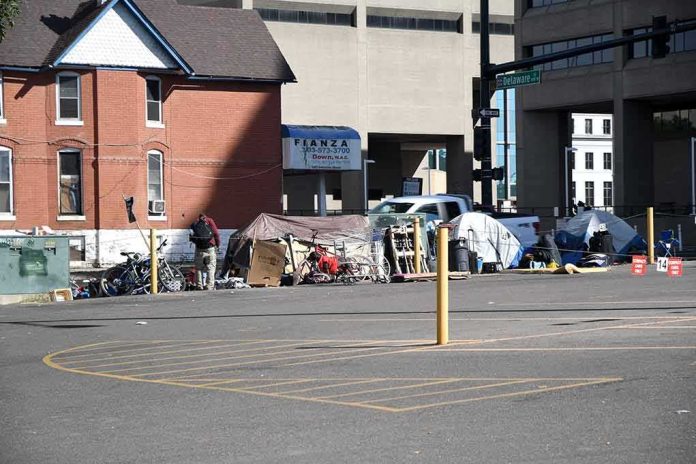
Officials in Atlanta, one of the cities hosting 2026 World Cup matches, cleared a homeless encampment near downtown and discarded many of the residents’ belongings. News reports say city crews threw away tents, medications, identification cards, and other personal items during the cleanup, just blocks from key tournament sites. The clearance took place as part of a pre-World Cup push to “clean up” areas that visiting fans and global media are most likely to see.
The encampment near Grady Memorial Hospital was one of several sites targeted under Atlanta’s “Downtown Rising” effort, which began in 2024. The city says this initiative aims to end unsheltered homelessness in the downtown area by moving hundreds of people into housing before the month-long soccer tournament. Crews worked over two days to clear the camp, which had grown under a bridge and in nearby lots, removing structures and loose items that officials labeled health and safety risks.
City’s Safety and Housing Rationale
City leaders and their nonprofit partner, Partners for Home, frame the clearance as part of a housing-first strategy, not a simple sweep. Cathryn Vassell, the group’s chief executive, told reporters the Bell Street camp removal was “less about optics” and more about the safety of people in and around the area. She said outreach teams had been working for months with residents there, and caseworkers had already moved several regular campers into permanent housing, with more placements pending.
Atlanta’s Democratic mayor Andre Dickens launched a sixty million dollar homelessness program two years ago, the largest in city history. Under Downtown Rising, the city says its goal is to house about four hundred people experiencing homelessness ahead of the tournament, combining rent support with mental health and medical services. Supporters argue that fully staffed encampments are dangerous for both residents and neighbors, pointing to fires, overdoses, and assaults that often happen in crowded tent areas.
Advocates See Pattern of Displacement for Optics
Homeless advocates and some city council members worry the World Cup will bring a harsher crackdown that goes beyond housing help. Before the cleanup, council members questioned how Atlanta police would handle camping bans, loitering rules, and panhandling when the city fills with tourists. They warned that pressure from businesses and the state could push Atlanta to criminalize visible poverty, even as the city promotes its housing-first message to media and FIFA officials.
Local and national groups say the tent removal fits a long-running pattern: cities host mega-events, then move poor and homeless residents out of sight. When Atlanta hosted the 1996 Olympics, police were accused of arresting thousands of homeless people, and reports say about nine thousand were sent to a new detention center built for the games. National research on “encampment sweeps” finds forced clearances often destroy medicine, documents, and survival gear, which can worsen health and push people deeper into crisis.
Why This Strikes a Nerve Across the Political Spectrum
For many conservatives and liberals alike, the Atlanta sweep reinforces a familiar fear: government seems to serve big events, big business, and image makers over ordinary citizens. People upset about illegal immigration, crime, and unsafe streets often want tent camps gone, but they also see waste and mismanagement when expensive events get priority while working families struggle with housing costs and inflation. Others focus on the moral cost of throwing away someone’s medicine and ID to keep tourists comfortable.
🔴 Atlanta discards homeless people's belongings near World Cup venue
City employees threw out tents, medication, identification documents and other possessions of about 15 unhoused people at Freedom Park on July 1, less than a mile from a World Cup watch party venue. The sweep… pic.twitter.com/t2eX5VdIlY
— NewsTongue (@NewsTongueX) July 12, 2026
That cross-party frustration grows when officials say the cleanup is about “safety,” yet residents’ basic needs and property are not carefully protected. National guidelines for humane encampment responses recommend clear notice, storage for belongings, and real housing options instead of simple displacement. Atlanta’s Downtown Rising program has housed hundreds, but the reports of tents and medications in trash bags raise a hard question: is the city solving homelessness or mainly moving it out of the camera frame for thirty-nine days of soccer.
Sources:
independent.co.uk, ajc.com, atlantaciviccircle.org, reuters.com, apnews.com, instagram.com, facebook.com, reddit.com, pbs.org, endhomelessness.org, usich.gov, ncbi.nlm.nih.gov