New York City just shut down the police unit that spent a decade policing both terrorists and protesters with the same riot gear.
Quick Take
- Mayor Zohran Mamdani disbanded the NYPD’s Strategic Response Group on November 16, 2026, fulfilling a campaign promise.
- Police Commissioner Jessica Tisch joined Mamdani in announcing the move, splitting crowd-control and counterterrorism duties among other units.
- The roughly 600-officer unit faced years of lawsuits and brutality complaints tied to protest crackdowns, including the 2020 Black Lives Matter demonstrations.
- A new Civilian Dialogue Unit will take on some of the group’s crowd-management responsibilities going forward.
What The Mayor Actually Did
Mamdani did not soften his language on this one. He told New Yorkers he was “committed to disbanding the Strategic Response Group and decoupling our city’s response to protests versus threats of terrorism” during an April appearance on NPR’s Newsmakers. He repeated the pledge during a town hall, calling the unit’s dual mission “a modern conflation” that never made sense to him. On November 16, 2026, he made it official alongside Commissioner Tisch.
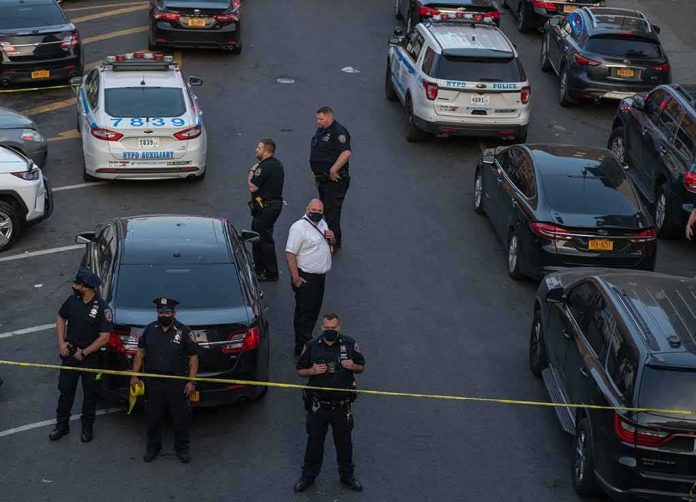
The Strategic Response Group started in 2015 as a 350-officer counterterrorism team built to handle mass-casualty threats and major public disorder. Over time it ballooned to around 800 officers, according to a city Comptroller’s report, and picked up broader duties labeled “crime reduction” and “crowd and protest control”. That mission creep is exactly what critics on the left and civil liberties groups spent a decade warning about.
Why The Unit Became A Flashpoint
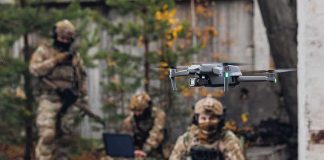
The group earned a reputation it never shook. Equipped with ballistic helmets, assault rifles, and riot shields, officers trained for terrorist attacks were increasingly sent into crowds of ordinary protesters. The Wikipedia entry on the unit notes a pattern of excessive-force complaints and mass arrests tied to demonstrations protected under the First Amendment, along with a disproportionately high number of filings with the Civilian Complaint Review Board. That record generated years of costly litigation for the city.
A city Comptroller’s public-safety report went further, recommending the unit’s Disorder Control component be scrapped entirely so that “militarized officers are no longer engaged in policing protests, marches, demonstrations, or parades”. That recommendation gave Mamdani’s campaign promise a documentary backbone well before he took office, tying the policy to a broader push for police accountability rather than treating it as a standalone stunt.
None of this is new territory for the NYPD. The city already overhauled its protest response once before, in 2023, after litigation stemming from the 2020 Black Lives Matter protests forced a four-tiered approach that leaned more heavily on community affairs officers and de-escalation. Mamdani’s move goes further by eliminating the unit most associated with the harder-edged tactics altogether rather than just adjusting its playbook.
What Comes Next For Protest Policing In New York
Mamdani has been consistent that this was never a matter of if, only when. “Not an if for me,” he said. “It’s a when”. Reporting indicates the unit’s crowd-control and counterterrorism duties will now be dispersed to other NYPD components, including a newly created Civilian Dialogue Unit meant to handle demonstrations with a lighter touch than riot gear and rifles.
8️⃣ 🇺🇸 New York — 🚔 8/12 || USA Evening Briefing || 16, Nov Monday
Manhattan – Mayor Zohran Mamdani Disbands NYPD Strategic Response Group Over Protest Tactics 🏛️ 🪧
Today in New York, City Hall dissolved the 500-officer crowd-control unit following criticism of aggressive… https://t.co/0eE1eOHTKp
— iVyasa (@ivyasaa) November 17, 2026
Supporters frame this as restoring the constitutional line between fighting terrorism and managing a peaceful rally. Critics, including some former NYPD officials and conservative lawmakers, warn it strips the city of a rapid-response capability during exactly the kind of crisis New Yorkers can least afford to be unprepared for. Florida’s Senator Ashley Moody even offered displaced officers a standing invitation to relocate south, a jab aimed squarely at the political optics of the decision.
What hasn’t yet been made public is the granular replacement plan. There’s no released staffing chart, training curriculum, or response-time benchmark showing how a counterterrorism-level threat gets handled without the group that was built specifically for it. Mamdani has delivered on a promise voters knew he was making when they elected him. Whether the city can still move fast when it matters most is the question only the next real emergency will answer.
Sources:
washingtontimes.com, nyc.gov, en.wikipedia.org