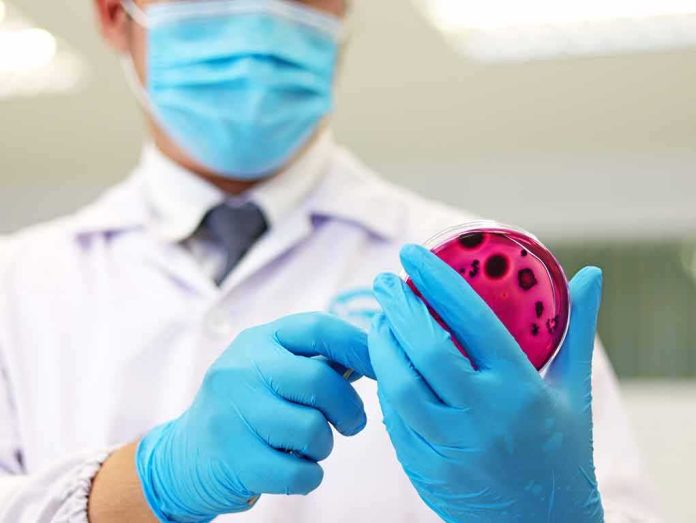
Within weeks, federal food-safety officials linked sick people in five states to iceberg lettuce and warned the nation to avoid recalled jalapeños, showing how one summer brought multiple high-risk recalls at once.
Story Snapshot
- Federal regulators tied a five-state Cyclospora outbreak to iceberg lettuce and issued a Class I recall.
- Officials told the public not to eat recalled jalapeños or foods made with them during a Salmonella outbreak.
- News outlets reported frozen berry recalls in several states, adding to the summer’s recall wave.
- Investigators said recalled lettuce was off the market after audit checks, but many asked why these clusters keep happening.
What Regulators Confirmed About the Lettuce Outbreak
The Food and Drug Administration (FDA) said a multistate Cyclospora outbreak was linked to iceberg lettuce sourced from central Mexico. Taylor Fresh Foods issued a voluntary recall on July 17, 2026, after traceback work pointed to the product. The FDA later classified the recall as Class I, its highest risk category, meaning the food could cause serious health harm. The firm’s notice and the agency’s outbreak page set the scope and timing of the action.
The FDA said its recall decision rested on strong epidemiology and traceback, not on a positive product test at that time. Officials also said recall audit checks supported that the affected lettuce had been removed from the market, and best-if-used-by dates had passed. That message aimed to signal containment while the outbreak investigation moved forward. These steps reflect the FDA’s process to act quickly when evidence shows a likely source.
How Far the Lettuce Shipped and Where People Were Exposed
Coverage at the time reported that the recalled iceberg lettuce reached 27 states, spanning major retail and food-service channels. Reports also tied exposure to menu items at a national fast-food chain in parts of the Midwest and Appalachia, including Indiana, Kentucky, Michigan, Ohio, and West Virginia. Those details show how a single produce item can seed risk across many locations when it moves through large distributors and quick-service restaurants.
One report highlighted heavy illness activity in Michigan during the same period, suggesting a high public-health burden in at least one state. While health departments continue case-by-case work, that snapshot underscored the human impact of produce-linked outbreaks. Taylor Fresh Foods was the only brand named in a Cyclospora recall tied to iceberg lettuce at that time, which focused public attention on that supply chain.
A Separate Salmonella Outbreak Involving Jalapeños
In August, the FDA opened a separate investigation into Salmonella tied to fresh jalapeños used in salsas, guacamole, pico de gallo, and prepared foods. The agency identified jalapeños distributed by Coast Citrus Distributors, and retailers initiated recalls for products that contained those peppers. The Centers for Disease Control and Prevention (CDC) issued a clear warning: do not eat recalled jalapeños or foods made with them. That instruction signaled an active, national response.
FDA Food Recalls in 2026 — Key Highlights
In 2026, the FDA has issued a significant number of food recalls, driven largely by salmonella outbreaks, Cyclospora contamination, and undeclared allergens. The recall surge has been especially pronounced in August, when the FDA logged…— john kelly (@Akguitarman49) September 4, 2026
This jalapeño event differed from the lettuce outbreak in pathogen and product but landed in the same season, increasing public concern. It also showed how one ingredient can affect many foods that people view as fresh and safe. When peppers flow into store-made dips and grab-and-go meals, risk spreads quickly. That is why recall notices list many items and stores, even when the upstream culprit is a single fresh commodity.
Frozen Berries Added to the Summer Recall Wave
Major outlets also reported frozen berry recalls in August that reached several states. Those products raised bacterial contamination concerns and triggered action by retailers. One outlet said federal risk ratings for at least part of that set rose to the top tier, echoing the Class I status seen in the lettuce case. These berry steps broadened the pattern beyond salad and fresh peppers, touching another common household staple in the same stretch of weeks.
These events did not share one single cause. The lettuce involved a parasite, the jalapeños involved a bacterium, and the berries were a separate category. Still, the timing matters. The burst strained attention, store operations, and consumer trust. People across the political spectrum see a simple question: If the system works, why are recalls so frequent right now? Regulators say the framework is designed to act fast on solid traceback, which can make clusters more visible.
What This Means for Shoppers and for the System
For families, the advice is basic but urgent: check your fridge and freezer against recall notices, and throw out or return affected items. For the system, the lesson is harder. National supply chains move huge volumes across borders and states. When one farm, distributor, or lot has a problem, many kitchens feel it. Federal agencies say quick recalls, audit checks, and public warnings cut illness, but repeat waves show how prevention at the source still needs work.
People worry that big players and government offices protect themselves first and answer questions later. Clear recall notices and firm stop-eating guidance help, but they do not solve the root issues on farms, in water, and in processing areas. Stronger prevention, faster traceback, and transparent follow-through are the fixes both conservatives and liberals can back. Fewer surprises at the dinner table should be a shared national goal, not a partisan fight.
Sources:
theatlantic.com, fda.gov, cnn.com, theguardian.com, naplesconciergehealth.com, usatoday.com, nypost.com, goodmorningamerica.com, cdc.gov, newsweek.com