Iran’s latest missile and drone barrage forced Kuwait’s air defenses to fire over its own cities, dragging a U.S.–Iran showdown onto a small ally’s doorstep.
Story Snapshot
- Kuwait says Iranian attacks violated its sovereignty and endangered civilians and vital sites.
- Iran’s Islamic Revolutionary Guard Corps claims it targeted U.S.-linked facilities in Kuwait in retaliation.
- Kuwait reports intercepting hostile missiles and drones in its airspace on multiple dates.
- No confirmed U.S. battle damage in Kuwait has been released by American officials to date.
What Kuwait Says Happened
Kuwait’s government condemned what it called Iranian attacks on its territory, citing a breach of sovereignty, security, and territorial integrity. Officials said the strikes violated international law and the United Nations Charter, and referenced their inherent right to self-defense under Article 51. Statements from Kuwait’s Ministry of Foreign Affairs and cabinet framed the events as a direct threat to civilians and vital facilities, not only a military-to-military exchange over bases on its soil.
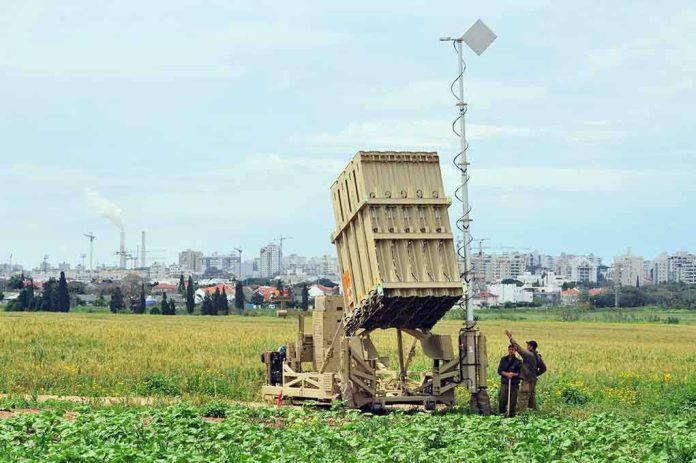
Kuwait’s army and media briefings described the practical side of the crisis: air defenses engaging hostile missiles and drones in Kuwaiti airspace. Reports attributed explosions heard by residents to interception activity, not confirmed impacts on named targets. These accounts match a pattern seen in the region this year, where Gulf states face inbound barrages that force them to choose between quiet tolerance and public claims of sovereignty violations and legal red lines.
What Iran Claims It Targeted
Iran’s Islamic Revolutionary Guard Corps said the strikes were retaliation for earlier U.S. actions and aimed at U.S. military infrastructure across the region, including in Kuwait. Outlets citing Iranian statements named U.S.-used facilities such as Ahmad al-Jaber and Ali al-Salem air bases, along with categories like aircraft shelters and satellite systems. This messaging seeks to cast the attack as a response against U.S. assets, not an assault on Kuwait as a state, and it repeats across several reports.
That framing, however, runs into an evidence gap. The available record lacks independent battle damage assessments confirming hits on U.S. equipment inside Kuwait. No public statements from the United States Central Command or the Pentagon in the cited material verify destroyed U.S. facilities there. Kuwait’s own focus on sovereignty and civilian risk does not settle whether U.S. sites were the intended or primary targets in this wave.
Why It Matters to Americans
This episode shows how U.S. policy choices can put smaller allies in the line of fire. When Washington and Tehran trade blows, countries that host U.S. forces shoulder the risk. Kuwait’s leaders speak about airspace, civilians, and law because their people hear sirens and shelter from debris, while global powers argue over bases and deterrence. That burden fuels the belief, across left and right, that powerful actors wage proxy fights while ordinary families face the danger.
Iran hosts funeral for victims reportedly killed by U.S. air strike during wedding, fires on Kuwait https://t.co/Q1sky7IVPG
— The Globe and Mail (@globeandmail) September 3, 2026
Energy markets, shipping lanes, and base security all sit on edge when missiles fly near major oil hubs. Every new barrage lifts insurance costs, rattles supply routes, and tests air defenses built with taxpayer money. Americans of all views see the pattern: leaders promise control, yet crises spread and clarity lags. Until authorities release verifiable damage reports, satellite imagery, or debris forensics, the public will navigate dueling claims while hoping interception rates stay high.
What To Watch Next
Watch for three signals of truth and risk. First, formal releases from Kuwait’s defense ministry naming specific target coordinates and publishing radar tracks. Second, U.S. Central Command incident logs or photos confirming or denying damage at Ali al-Salem and Ahmad al-Jaber. Third, independent satellite imagery showing scorch marks or repairs at those bases. Clear data would replace spin with facts and show whether Iran hit U.S. gear, or whether Kuwait’s defenses kept the worst at bay.
Sources:
kuna.net.kw, iranintl.com, aa.com.tr, bbc.com, malaymail.com, reuters.com, wsj.com, tabnak.ir