A viral claim that the FBI secretly “gamed out” January 6 months in advance is colliding with a hard reality: the only documented, official record so far points to intelligence failures—not a pre-planned setup.
Story Snapshot
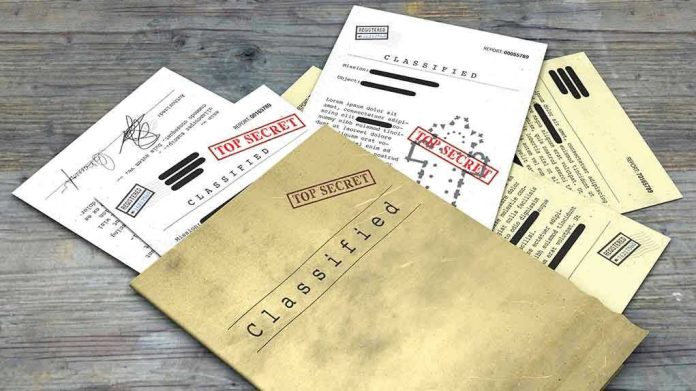
- A February 2026 article alleges “newly declassified” FBI memos prove a secret “J6 tabletop exercise” in summer 2020 planning “mass prosecutions” and “embedded informants.”
- Publicly available oversight findings released in 2024/2025 say the FBI had confidential human sources in D.C. on Jan. 6 but did not authorize them to break laws or incite violence.
- Official reviews describe pre-Jan. 6 intelligence and coordination breakdowns—especially missed follow-through on canvassing field offices for threat information.
- No linked or viewable “declassified memos” are provided in the 2026 claim, leaving the key evidence untestable for readers.
What the “secret tabletop exercise” claim actually alleges
The February 2026 report centers on an assertion that the FBI ran a “J6 Tabletop Exercise” in summer 2020, with plans for “mass prosecutions” and the use of “embedded informants” months before Americans watched chaos unfold at the Capitol on January 6, 2021. The allegation is politically explosive because it implies foreknowledge and a pre-scripted crackdown rather than an improvised response to a rapidly developing security crisis.
The problem for readers trying to sort signal from noise is straightforward: the claim hinges on “newly declassified” memos, but the report does not provide those documents in a way that allows independent verification from the public record presented here. Without the actual memos, it is impossible to confirm what was allegedly planned, who approved it, and whether it was J6-specific or merely a generic election-security scenario like those government agencies routinely conduct.
What official oversight documents say about informants and undercover activity
Oversight reporting from the Justice Department’s Inspector General addresses the most common “setup” allegation directly: whether federal actors directed or encouraged the lawbreaking on January 6. The Inspector General found the FBI had 26 confidential human sources in Washington, D.C., that day, including some who entered restricted areas. However, the review states none were authorized to break the law or to incite others, and it found no evidence of FBI undercover employees being deployed into the crowd.
A separate fact-checking review of the Inspector General’s findings similarly concludes that the report has been misrepresented online as proof of orchestration. It emphasizes that the existence of sources near an event is not the same thing as directing an event—especially when the documented guidance did not authorize unlawful activity. That distinction matters to Americans who want accountability without sliding into unfounded claims that further erode trust in already-discredited institutions.
Documented failures: missed warnings, incomplete follow-through, and coordination gaps
The more substantiated storyline in the available record is not a grand “tabletop conspiracy,” but a breakdown in preparedness and information flow. Oversight accounts describe the FBI canvassing field offices for threat intelligence ahead of January 6, but not fully following through. Other institutional reporting describes how warnings were not synthesized into a clear, specific threat assessment for the Capitol that day, even amid heightened tensions after the 2020 election.
For a conservative audience that has watched Washington’s unelected machinery grow more powerful and less transparent, this is still disturbing—just in a different way. A federal law-enforcement system that can mobilize massive prosecutions after the fact, yet fail at basic threat sorting before the fact, raises hard constitutional questions. Heavy-handed enforcement paired with preventable intelligence lapses is exactly the kind of imbalance that fuels public anger and invites government overreach.
Tabletop exercises exist—but “J6-specific in summer 2020” is not established here
Government tabletop exercises are real and common, including for election security, active-shooter scenarios, cyber incidents, and large-scale events. The background materials referenced in the research describe broad election security preparations and exercises over multiple years. But “tabletop exercise” is a generic term, and the leap from “agencies train for contingencies” to “the FBI secretly rehearsed Jan. 6 and planned mass prosecutions” requires document-level proof that is not established in the provided claim.
At this stage, the most defensible conclusion is limited and evidence-based: public oversight documents substantiate the presence of FBI confidential sources in D.C. on January 6 and substantiate serious pre-event intelligence shortcomings, while the specific allegation of a summer 2020 “J6 tabletop exercise” remains unverified without the underlying memos. If those memos exist and are authentic, they should be released in full so Americans can judge for themselves—because transparency is the only way to restore confidence in institutions that too often demand trust they have not earned.
Sources:
HHRG-119-JU13-20250225-SD013-U13.pdf (House Judiciary Committee document)
Fact Focus: Inspector General’s Jan. 6 report misrepresented as proof of FBI setup
GPO-J6-TRANSCRIPT-CTRL0000034624 (GovInfo transcript PDF)
DOJ Office of the Inspector General Report 25-011
hsgac-rules-jan-6-report (U.S. Senate Rules Committee download)
National Security Archive document (OCR)