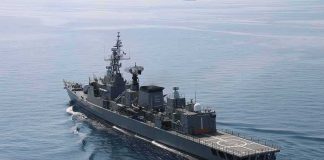
President Trump’s bold naval blockade of Iranian ports strikes back at Iran’s extortionate shutdown of the Strait of Hormuz, but risks plunging America into endless war and skyrocketing gas prices for frustrated families.
Story Snapshot
- Trump orders US Navy to block all ships to/from Iranian ports starting April 13, retaliating against Iran’s seven-week Strait of Hormuz blockade that controls 20% of global oil.
- Action targets Iran’s 23 million barrels of floating oil exports, enforced by CENTCOM with boarding and potential firing on violators.
- Failed peace talks and expiring ceasefire heighten escalation risks, including clashes with Chinese ships.
- Global tankers reroute, promising higher energy costs amid criticisms of open-ended US military commitment.
Trump Launches Retaliatory Blockade
President Donald Trump directed the US Navy to enforce a blockade on all maritime traffic entering or exiting Iranian ports on the Arabian Gulf and Gulf of Oman, effective April 13 at 10 a.m. ET. This responds to Iran’s de facto seven-week shutdown of the Strait of Hormuz through tanker threats and tolls. The Strait handles 20% of global oil trade, giving Iran leverage in the ongoing war sparked by Trump’s nuclear deal withdrawal. CENTCOM implements impartial enforcement, allowing non-Iranian port transit while choking Tehran’s exports.
Failed Talks Precede High-Stakes Gambit
Weekend peace negotiations collapsed without resolving nuclear issues or reopening the Strait, jeopardizing a fragile two-week ceasefire. Iran levies tolls on passing ships, holding 23 million barrels in floating tankers near its ports. Trump, on Fox News, emphasized the “finest Navy” would prevent Iranian oil sales, framing the move as countering blackmail. His social media warned that blockade-breaking ships “will be eliminated.” Oil tankers preemptively avoided the area as enforcement began.
Risks to US Troops and Global Economy
US forces face perpetual danger from boarding operations, mine-clearing, and Iran’s asymmetric threats like missiles. Selective enforcement on Iranian ports creates loopholes, potentially prolonging the commitment without clear end conditions. Global oil prices surge as shipping firms reroute, hitting American consumers already weary of high energy costs from past policies. Iran’s economy suffers immediate losses, but experts label this a risky “game of chicken” with no assured victory.
Both conservatives and liberals share outrage over elite-driven foreign entanglements that drain resources from domestic needs. This open-ended operation echoes frustrations with government prioritizing power games over the American Dream of prosperity through hard work. Limited post-April 13 data leaves uncertainties on oil impacts and foreign responses unresolved.
China Emerges as Wildcard Threat
China’s ships entering Iranian ports risk US visit-board-search-seizure, threatening clashes that could widen the conflict. Power dynamics favor US naval superiority, yet Iran’s port-based floating stocks complicate enforcement. Analysts question if this is masterful “3D chess” or a desperate grasp, noting precedents in regional standoffs. Broader effects disrupt energy sectors and strain alliances amid tangential political shifts like Hungary’s leadership change.
Sources:
Jerusalem Post: Detailed CENTCOM blockade announcement and timings
The Times: Trump blockade risks pulling in China