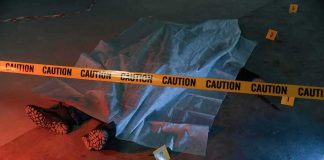
A modeling scout tied to Jeffrey Epstein was found dead in a Paris suburb while French investigators were still examining fresh trafficking and rape allegations.
Quick Take
- French prosecutors confirmed Daniel Siad was found dead in Colombes, near Paris, and said an autopsy would be done.
- Reporters say Siad had been linked to Epstein for years and appeared many times in released Epstein files.
- French media reported at least five women accused Siad of rape and human trafficking, but no public conviction is part of the record provided.
- His death keeps the focus on a wider Epstein network that still mixes fact, accusation, and unresolved legal questions.
Death Shifts Attention Back to the Epstein Web
French authorities said Daniel Siad was found dead at home on Monday evening in Colombes, a suburb northwest of Paris, and that an inquiry into the cause of death had begun. The Nanterre prosecutor’s office said an autopsy would be carried out. Several outlets described Siad as a modeling scout who helped connect women to Jeffrey Epstein, making his death part of a story that still carries major legal and public weight.
That weight comes from more than the death itself. Reporters said Siad’s name appeared nearly 2,000 times in the Epstein files released by the United States Department of Justice, and CNN reported that those files showed Epstein had paid Siad tens of thousands of dollars. The same coverage says Siad often sent Epstein pictures of young women he met while traveling. Those details do not prove a crime by themselves, but they explain why this case drew immediate attention.
What Prosecutors and Reporters Say
The strongest public claim in the record is that French prosecutors had an active inquiry open in February 2026 into organized human trafficking and conspiracy to commit a crime. BBC reporting says the Nanterre prosecutor’s office confirmed that opening date and said the probe was still ongoing when Siad died. That matters because it shows the case had moved beyond rumor. It also means investigators had not reached a final public ruling before his death.
At the same time, the supplied record does not show a public conviction, indictment, or formal charge for Epstein-linked rape or trafficking. NBC News reported that Siad’s lawyer said he was never formally the subject of judicial proceedings, and Siad had denied the allegations in public comments. In a May interview with French broadcaster BFM, he said his relationship with Epstein was strictly professional. Those denials sit beside the allegations, not instead of them.
Why the Story Keeps Resonating
This case lands in a familiar place for readers who have followed the Epstein scandal. Once a person is named in Epstein-related files or reporting, public judgment often races ahead of the court process. That gap is now central here. One side of the record points to repeated contact with Epstein, allegations from multiple women, and a live French probe. The other side points to the absence of completed proceedings and the legal presumption of innocence.
Model scout Daniel Siad, who was suspected of recruiting young women for American financier and sex offender Jeffrey Epstein and Donald Trump, was found dead in his home in Colombes, a suburb of Paris in the Hauts-de-Seine department.
The body of the 69-year-old man was… pic.twitter.com/3eKrAWtF3t
— Mykhailo Rohoza (@MykhailoRohoza) July 24, 2026
The result is a story shaped by both evidence and uncertainty. That mix helps explain why the case keeps drawing anger from people across the political spectrum. Critics of elites see another sign that powerful circles stayed protected for years. Skeptics of rushed media coverage see the danger of treating association as proof. Both reactions fit the record provided, because the facts show an active investigation, but not a finished legal judgment.
Sources:
youtube.com, bbc.com, abcnews.com, rt.com