
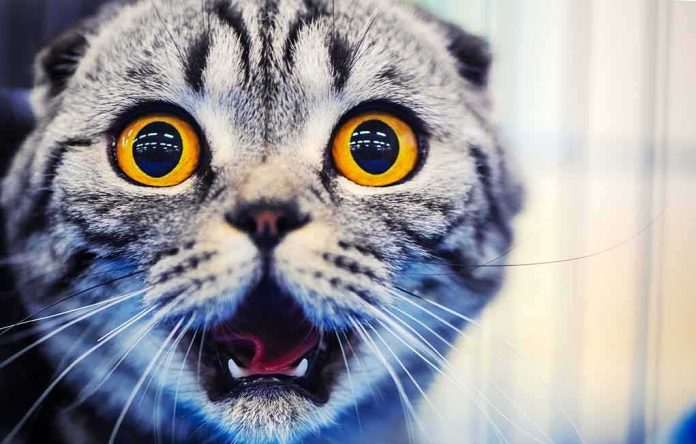
The cutest clip of a season was also a textbook case of how Minor League Baseball turns local stories into communal rituals: a rescued kitten named ChipPurr Jones “threw” a ceremonial first pitch for the Gwinnett Stripers, and the moment worked because it braided origin, theme night, and spectacle into one irresistible, highly shareable scene.
The Short Version
- A Gwinnett Stripers staffer rescued a kitten from traffic in late summer; the club adopted him and fans named him “ChipPurr Jones.”
- The cat headlined a pet-themed game night and delivered a treat-guided ceremonial first pitch captured on league video.
- Major outlets circulated the clip within days; the moment functioned exactly as a modern MiLB promotion is designed to do.
- This fits a durable pattern: novelty and animal-centered promotions reliably drive attention and goodwill in Minor League Baseball.
What Happened On The Field
The core facts are simple and well-documented. During a themed home date at Gwinnett Field, the Triple-A affiliate of the Atlanta Braves staged a ceremonial first pitch starring its newly adopted team cat, ChipPurr Jones. League video shows the kitten being lured toward home plate with a treat as a staffer holds a baseball—an unconventional, intentionally whimsical take on the tradition that ballparks use to signal the start of a game and welcome a guest of honor. The clip was recorded and distributed by MLB’s own platforms, which labeled the moment a first pitch and framed it as precisely that kind of charming pregame flourish.
Coverage around the video fills in the game-presentation details. MLB.com contextualized the appearance as part of a pet-themed night that included a donation drive, describing the cat as the “star of the show” and the pitch as “relentlessly cute”—language that mirrors what fans could see on the screen: not a test of arm strength, but a ceremonial cameo engineered for delight. ABC/ESPN and other outlets amplified the video in the same time window, underscoring that the event was both real and shareable at scale.
From Rescue To Team Adoption To A Name Fans Chose
ChipPurr Jones wasn’t an overnight mascot conjured from a marketing deck; the public storyline begins with a rescue. Local reporting attributes the kitten’s survival to a Stripers staff member who pulled him from traffic in late August, after which the club adopted him and began socializing the idea of a team cat through its channels. Fan participation followed: the team ran an online naming effort, and “ChipPurr Jones”—a knowing, affectionate nod to Braves icon Chipper Jones—won out, a joke that lands because it sits at the intersection of baseball reverence and internet cat culture.
By the time the kitten padded out for the ceremonial toss, the club had already framed him as part rescue ambassador, part clubhouse character. That setup matters. Minor League Baseball’s promotions work best when the bit has a backstory, and this one did: a saved life, a community naming poll, and then a cameo in a ritual that even casual fans understand. The “first pitch” itself was symbolic; the cat wasn’t expected to do anything but be a cat. The result was exactly what the format rewards—smiles in the stands and a neat, loopable clip for the feed.
Why This Kind Of Promotion Works In Minor League Baseball
To long-time observers of the minors, the mechanics here are familiar. Unlike the majors, where the product is the product, Minor League Baseball thrives on additive experiences—theme nights, mascots, giveaways, on-field contests—designed to convert a game into a family outing and a local happening. Academic and industry work on the subject is unambiguous: promotions are not window dressing; they are a core lever for attendance, earned media, and brand goodwill across MiLB. Regression-driven studies find that non-price promotions—things like theme nights and ceremonial moments, as opposed to discount tickets—can lift turnout without suffering the “watering down” effects seen in some big-league contexts.
This creates a clear set of incentives. For teams, a well-crafted novelty segment multiplies upside: ticket interest, merchandise opportunities, sponsor activation, and, crucially, a story that extends beyond the park into local news and national sports media. For media outlets, the appeal is even simpler: a kitten “throwing” a first pitch is click-stable, brand-safe, and platform-native video. No one needs to explain why it’s fun; viewers get it in three seconds and watch to the end. ChipPurr Jones checked every box.
The Ceremony, Not The Fastball, Is The Point
Purists occasionally bristle at how loosely “first pitch” is interpreted, but the ceremony has always been elastic. Teams have handed the honor to presidents, Olympians, centenarians, and entire groups; sometimes the honoree airmails it, sometimes they roll it, and sometimes—especially with children—someone helps them bridge the distance. In Gwinnett, the staff guided a cat with a treat while holding the ball. The designation still fits: the act wasn’t athletic competition; it was the anointing of a guest in front of a crowd that was in on the bit, right down to the pun in the name.
Framed this way, the ChipPurr moment belongs on the same shelf as Bark in the Park nights and rescue-driven first-pitch fundraisers that pair ballpark rituals with animal welfare themes. Those concepts are now staples in both the majors and minors, reflecting how teams connect civic causes to the communal space of a ballgame. The Stripers’ pet supply drive, paired with a rescued team cat, follows that lineage cleanly.
What The Videos And Coverage Establish—And What They Don’t Need To
Because this wasn’t a controversy but a presentation, the evidentiary bar is practical: do reputable sources show the thing that audiences are talking about? Here, the answer is yes. MLB’s own video feed captured and labeled the ceremonial first pitch; mainstream outlets shared the same scene; local news tied it back to the kitten’s rescue and the fan naming process. Those facts are sufficient to explain both what occurred and why it resonated. Even without internal memos or a full press release, the mechanism is plain to anyone who has watched a modern MiLB game day unfold.
That resonance, finally, is the point. A minor-league club turned a staff member’s small act of care into a community story and then into a few enchanted seconds on a diamond. The internet did the rest. Promotions succeed when they feel earned, not imposed; ChipPurr’s cameo felt earned because it was the end of a short, sweet arc—rescued in August, named by fans, celebrated on the field—and because the team chose the right stage for the reveal: a ceremonial rite that belongs to everyone in the building.
CHIPPURR’S BIG LEAGUE MOMENT 🐱⚾❤️
The crowd at the Gwinnett Stripers’ game in Georgia was ready for an exciting afternoon of baseball, but nobody expected the tiniest star on the field.
ChipPurr Jones, an adorable rescue kitten, was given the honor of delivering the ceremonial… https://t.co/n4Mk5cbFxC— DE GOLDSMITH🪙🪙🪙⭐ ⭐⭐ (@vickervics9) September 17, 2026
The Enduring Playbook
A year from now, the specifics will blur, but the pattern won’t. Minor League Baseball will keep finding humane, humorous ways to welcome people—and, sometimes, animals—into the ceremony of the first pitch. Teams will keep matching those moments to cause nights and donation drives. And a few seconds of uncomplicated joy will keep rippling far beyond the outfield walls, because that is what the minors are structurally built to deliver: community on cue, with just enough theater to make it memorable.
Sources:
facebook.com, mlb.com, us.headtopics.com, atlantanewsfirst.com, milb.com, abc7news.com, local10.com, experts.syr.edu