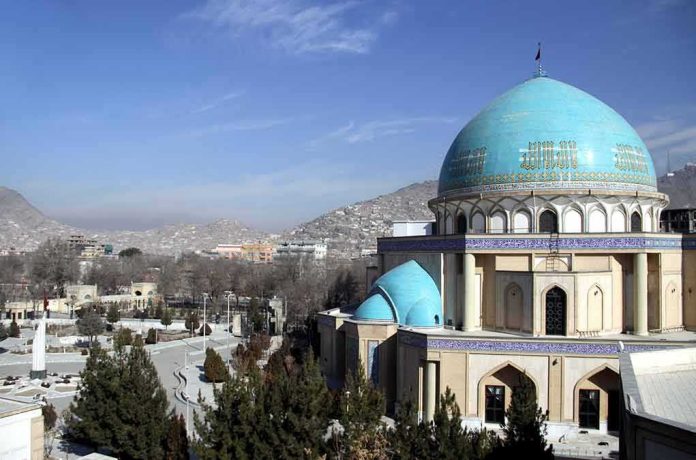
McKinney’s city council voted 7-0 to approve a mosque expansion after a four-hour meeting packed with hundreds of residents on both sides of the debate.
Story Snapshot
- The McKinney City Council unanimously approved a site plan for the McKinney Islamic Association’s campus expansion on Virginia Parkway.
- City staff said the request was a site-plan review, not a rezoning, and that it met existing development rules.
- The approved plan covers three buildings totaling about 32,573 square feet on 5.575 acres, including a 15,000-square-foot sanctuary.
- The vote followed years of tension, including a withdrawn 2024 rezoning bid and a raucous public comment session with dozens of speakers.
What The Council Actually Approved Tuesday Night
The McKinney City Council approved file number 25-0081SP on August 4, 2026, clearing the way for the McKinney Islamic Association to build a new sanctuary, classroom building, and gym on Virginia Parkway. The Planning and Zoning Commission had already recommended approval unanimously on July 14. The vote followed hours of public comment from residents on both sides of the issue.
City staff told the council the application was a site-plan review, not a rezoning request, and that the design complied with McKinney’s development standards. That distinction matters legally. Under Texas law, cities generally have far less discretion to reject a plan that meets existing code than they do to deny a zoning change. The council’s job was largely to check boxes, not weigh policy.
The Numbers Behind The Expansion
The filed site plan describes three buildings on 5.575 acres: a 15,000-square-foot main sanctuary, a 10,236-square-foot classroom building, and a 7,337-square-foot gym and multi-use facility. That is a modest campus by suburban standards, not the sprawling complex some critics described during public comment. The letter of intent filed with the city calls the buildings “religious prayer and related services facilities”.
The McKinney Islamic Association has operated in the city since 1997 and already runs an existing mosque on Eldorado Parkway. Supporters argued the expansion simply gives a long-standing congregation more room to grow, framing the vote as a straightforward test of religious equality under the Constitution. That argument carries real weight, since the First Amendment protects religious assembly the same way it protects any other faith community’s right to build.
A Second Attempt After A 2024 Setback
This was not the association’s first try. In 2024, the group withdrew an earlier rezoning request after neighborhood opposition and a recommendation for denial from city staff. That fight left a bitter taste and a vandalized sign marking the future mosque site. The 2026 proposal replaced one larger building with three smaller ones, a redesign that appears to have eased some staff concerns even as public resistance persisted.
Public Comment Turned Into A Marathon Fight
Nearly 70 emails poured into city hall before the meeting, and the council chamber itself became a battleground. More than a hundred residents spoke over roughly four hours, and the session grew tense enough that former Mayor George Fuller says he was booed for defending the project, with reports of a physical confrontation breaking out.
Opponents leaned heavily on charged language, invoking sharia law and “political Islam” rather than sticking to traffic counts or parking concerns. U.S. Representative Keith Self publicly opposed the project, pulling a local zoning matter into the national political conversation. That kind of rhetoric can be a distraction. Americans are entitled to raise real concerns about traffic and density, but recasting a permitted religious land use as a civilizational threat does not serve voters trying to understand what actually happened at city hall.
What Still Isn’t Settled
Site-plan approval is not the final word. Building permits and engineering reviews still lie ahead, meaning opponents retain avenues to raise objections as construction moves forward. The public record made available so far does not include a completed traffic study or parking analysis tied to the final footprint, a gap worth watching as the project advances toward construction.
The council’s vote settles the legal question under current city code, and residents deserve confidence that staff applied the same standards to this project as any other. But given how charged the debate became, McKinney officials would do well to make every remaining technical review public and transparent, so the next chapter of this story is judged on facts rather than fear.
Sources:
keranews.org, dallasnews.com, legistar1.granicus.com, particle.news, texasscorecard.com, facebook.com, instagram.com