
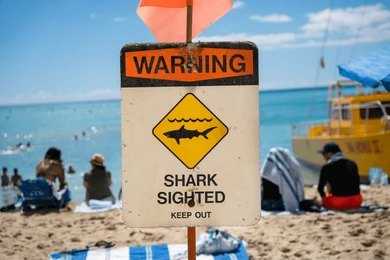
As British seas grow warmer and dirtier, experts warn that once-safe family beach holidays could face a new mix of hidden threats, from powerful sharks to toxic blooms and stinging jellyfish.
Story Snapshot
- A weather expert says sharks, deadly jellyfish, toxic algae, and sewage could make UK beaches riskier in coming summers.
- Scientists agree great whites could live in British waters, but there is still no proven sighting near the UK coast.
- Warming seas and more seals are creating better shark habitat, while sewage spills and algal blooms raise other health risks.
- Some specialists say media hype over “killer sharks” distracts from the deeper problem of neglect of basic coastal safety.
Expert warning: why some say UK beaches are getting more dangerous
A recent report in a national tabloid quoted a weather expert who warned that sharks, deadly jellyfish, poisonous algal blooms, and festering sewage could all make British beaches “increasingly dangerous” in the future. The warning followed unusual marine heatwaves that pushed sea temperatures in parts of the North Atlantic and around the UK to record or near-record levels. Warmer, more stagnant coastal waters can help toxic algae spread and let jellyfish thrive closer to busy bathing spots.
The same report tied these ecological changes to long-running failures in basic coastal management. Years of concern about sewage discharges, under‑maintained water systems, and slow enforcement have led to regular pollution alerts at popular beaches. Many families now check independent water‑quality maps before swimming, a small sign of growing distrust in official reassurances. For citizens already angry about elites and mismanaged infrastructure, the idea that even paddling with grandkids might be less safe strikes a nerve.
Great white sharks: real possibility, but no proven UK visitor yet
Scientists have said for years that British seas are physically suitable for great white sharks, especially in summer when water temperatures approach the species’ preferred range and seal numbers are strong. Researchers linked to the tracking group Ocearch have suggested that white sharks which hunt seals in the Mediterranean and off western Europe could move north seasonally and pass near Cornwall or Ireland in search of food. That migration pattern matches what has been seen in other ocean regions as waters warm.
Yet despite decades of scare headlines, there is still no hard proof that a great white has visited UK coastal waters. Marine scientists, the Shark Trust, and several independent fact‑checks all say the same thing: many claimed sightings, no clear photo, tag, or carcass that experts agree on. The closest confirmed animal was about 200 miles away in the Bay of Biscay, off France and Spain, several decades ago. Researchers say the most honest answer is that if great whites come near Britain, they are rare and mostly unseen.
Media hype, climate change, and what experts actually know
Climate change does appear to be shifting where some sharks and other marine animals live, including great whites in other parts of the world. Warmer water and changing currents can open new feeding grounds and push predators closer to shore when prey also moves. But scientists who study sharks say British media coverage often jumps from “conditions are suitable” to “beach trips are turning deadly,” without solid evidence in the middle. That pattern has repeated in UK papers since at least 2014.
Several shark specialists have publicly pushed back on recent “invasion” headlines. They note that there has never been a confirmed great white sighting in UK waters and no fatal shark attack documented in British seas. Most sharks around Britain are small or shy, and many are threatened by overfishing. Experts worry that fear‑based stories make people hate sharks instead of seeing them as part of a healthy ocean. At the same time, those stories can hide real risks that are less dramatic but more common, such as pollution, rips, and poor safety staffing.
Jellyfish, toxic blooms, and sewage: quieter hazards for beach families
While great whites grab the headlines, other dangers are already in the water and affect far more people. Warmer seas and nutrient runoff from farms and towns can fuel harmful algal blooms that discolor water and sometimes produce toxins that irritate skin or cause illness if swallowed. These blooms can also kill fish and other marine life, adding to the sense that coastal ecosystems are under stress. For families, the main impact is closed beaches and health warnings during what should be prime holiday weeks.
Dangerous jellyfish species, such as Portuguese man o’ war, already wash up in parts of the UK in some years, and scientists expect more irregular visitors as currents and temperatures change. Add in raw sewage overflows after heavy rain, and basic trust breaks down further: people feel they pay high taxes and water bills yet cannot count on clean, safe seas. For many on both left and right who already see a distant “deep state” serving special interests, fouled beaches and scary headlines look like one more sign that core public duties are being ignored.
Sources:
mirror.co.uk, bbc.com, plymouth.ac.uk, youtube.com, gbnews.com, dailymail.co.uk, independent.co.uk, theguardian.com, mensjournal.com, discoverwildlife.com, patriotchampion.com, sharkophile.com, carbonbrief.org