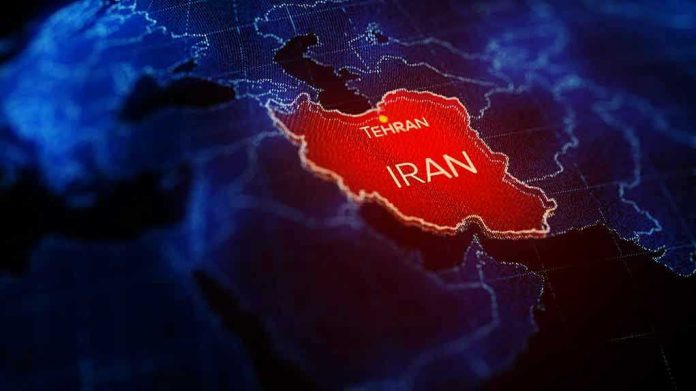
Israel’s confirmation that it killed Iran’s intelligence minister signals a new phase of targeted warfare that could redraw the Middle East—fast.
Story Snapshot
- Israeli Defense Minister Israel Katz said Iran’s Intelligence Minister Esmail Khatib was killed in an Israeli Air Force strike in Tehran on the night of March 17.
- Katz said Israel has moved into a “decisive stage” and authorized further targeting of senior Iranian officials without additional approvals.
- Reports described Khatib as a key figure tied to Iran’s internal repression and overseas intelligence operations since his 2021 appointment.
- Multiple outlets reported the killing amid a broader spike in direct Israel-Iran confrontation, including Iranian missile retaliation and uncertainty about official Iranian confirmations.
Katz Confirms Strike in Tehran and Expands Targeting Policy
Israeli Defense Minister Israel Katz publicly confirmed on March 18, 2026, that Israel eliminated Iran’s Minister of Intelligence, Esmail Khatib, in a strike carried out in Tehran the prior night. Katz delivered the confirmation during a situation assessment, tying the operation to a wider Israeli campaign against Iran’s leadership and security apparatus. Katz also promised “significant surprises” across fronts, framing the strike as part of an escalatory operational tempo.
Katz’s statement carried a second, strategic message: authorization. Reports said Katz announced a policy that “no one in Iran has immunity,” and that Israeli forces can continue targeted eliminations of senior Iranian figures without needing additional approvals for each operation. For Americans tracking regional risk, that matters because it suggests a sustained campaign rather than a one-off strike, raising the odds of continued retaliation cycles and broader instability across the region.
Who Esmail Khatib Was—and Why This Target Matters
Esmail Khatib led Iran’s Ministry of Intelligence after his 2021 appointment by Iran’s leadership, and multiple reports describe the ministry as central to Iran’s internal security and foreign intelligence reach. Coverage linked Khatib to domestic crackdowns, including the period surrounding the Mahsa Amini protests in 2022–2023, and to alleged overseas plots attributed to Iranian intelligence services. Israel’s framing treats his removal as a direct hit on coordination behind repression and external operations.
Several outlets also positioned Khatib’s killing alongside other high-level deaths reported in the same window, describing a rapid sequence of strikes aimed at weakening Iran’s command structure. The public nature of Katz’s confirmation appears designed to amplify deterrence: Israel is signaling capability, intelligence reach, and willingness to act inside Tehran. Iran, however, has not consistently confirmed details about Khatib, and reporting notes uneven or partial acknowledgment from Iranian channels.
How This Fits Into a Wider Israel-Iran Escalation
The strike was reported amid an openly intensifying confrontation between Israel and Iran, including missile launches attributed to Iran and broader exchanges impacting the region. One report described Iran planning funerals for senior figures while suggesting those events could be postponed amid operational uncertainty. Another thread in reporting indicates Iran’s security institutions are portraying losses as martyrdom meant to fuel “national awakening” narratives, a familiar regime tactic for maintaining cohesion under pressure.
In this environment, targeted killings can disrupt planning and communications in the short term, but they can also harden incentives for vengeance among Iran’s remaining power centers. The immediate strategic question is whether removing senior officials degrades Iran’s ability to coordinate external attacks and proxy warfare—or whether it accelerates asymmetric retaliation. Based on the available reporting, it is clear Israel is emphasizing continued pressure, while Iran is emphasizing endurance and revenge.
What’s Confirmed, What’s Unclear, and Why Americans Should Care
Multiple outlets reported Katz’s March 18 confirmation and described the strike as occurring the night of March 17 in Tehran. Those reports broadly agree that Khatib was the target and that Katz presented the operation as part of a decisive campaign with expanded latitude to strike senior Iranian leadership. Uncertainty remains around how and when Iran will officially acknowledge Khatib’s death, and how the regime’s internal succession dynamics will affect command and control during retaliation.
For U.S. readers in 2026, the main takeaway is practical: a faster escalation loop in the Middle East can hit American interests quickly, from force protection and counterterror priorities to energy market volatility. Conservative Americans also remember how weak deterrence and muddled red lines in prior years often invited aggression. The reporting here suggests Israel is choosing clarity—publicly owning actions and stating policy—while the region braces for the next moves.
Sources:
Katz Confirms Iranian Intel Minister Killed, Vows New Surprises
Israel says Iran’s intelligence minister killed and authorises targeting of all officials
Katz says Iran’s intelligence minister Khatib killed in strike, promises surprises
Iran-Israel kills Iranian intelligence minister
Israel says it killed Iran’s intelligence minister