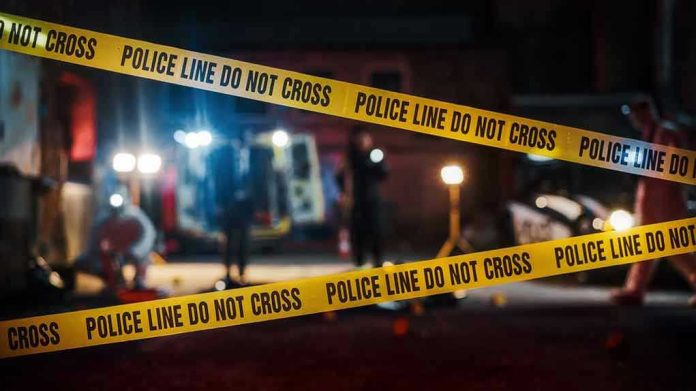
A fatal ICE shooting in Minneapolis ignites a contentious debate reminiscent of George Floyd, challenging narratives and raising questions of federal overreach.
Story Snapshot
- A 37-year-old woman, Renee Nicole Good, was fatally shot by an ICE officer in Minneapolis.
- ICE claims the shooting was self-defense, branding it an act of domestic terrorism.
- Local leaders, after viewing bystander video, dispute the federal narrative.
- The incident has sparked protests and demands for an independent investigation.
- Comparison to George Floyd’s case highlights ongoing tensions and mistrust.
Fatal Shooting and Disputed Narratives
On January 7, 2026, ICE officers in Minneapolis confronted Renee Nicole Good in her vehicle. According to ICE, Good attempted to use her car as a weapon, prompting an officer to fire in self-defense. However, Minneapolis officials, including Mayor Jacob Frey and Governor Tim Walz, sharply criticized federal accounts after viewing bystander video, which they claim shows a different scenario. This divergence has prompted calls for the Minnesota Bureau of Criminal Apprehension to conduct an independent investigation.
The Department of Homeland Security (DHS) quickly labeled the incident as an act of domestic terrorism, a move seen by critics as premature given the lack of a completed independent investigation. The rapid federal response has been met with skepticism by local leaders who are wary of federal overreach, particularly in a city still grappling with the legacy of George Floyd’s death. The shooting has fueled protests, underscoring the deep mistrust of federal narratives and the need for transparent inquiry.
Patterns and Precedents
This incident is not isolated. In the past four months, ICE and Border Patrol have been involved in at least nine vehicle-related shootings, often justified by claims of drivers using vehicles as weapons. In several cases, initial federal narratives were later contradicted by video evidence. Minneapolis, a city deeply affected by George Floyd’s killing, is particularly sensitive to such incidents, with the public demanding accountability and transparency from federal agencies.
Local officials are pushing back against federal narratives, emphasizing the importance of releasing all available evidence, including bystander videos. The case has highlighted ongoing jurisdictional tensions between federal agencies and local authorities, especially in matters involving immigration enforcement and public safety.
Community Response and National Context
The shooting has sparked significant public outcry, with protests erupting in Minneapolis and other cities, drawing parallels to previous incidents of police brutality. Community groups and activists are calling for systemic reforms, emphasizing the need for accountability and justice. The incident underscores the ongoing challenges in balancing aggressive federal enforcement with local oversight and civil liberties.
As the investigation unfolds, the nation watches closely, mindful of the broader implications for federal and local law enforcement relations. The incident serves as a stark reminder of the complexities and sensitivities surrounding immigration enforcement and community trust in law enforcement.
Sources:
Minneapolis ICE Shooting: Tensions Flare as City Demands Transparency
ICE Use-of-Force Policy Under Scrutiny Following Minneapolis Shooting
Portland Shooting by Federal Agents Raises Questions of Accountability
ICE Shooting in Minneapolis: A Pattern of Deadly Force
BCA Statement on Investigation of ICE Fatal Shooting in Minneapolis